Italy’s repechage to the World Cup, FIFA’s latest gimmick causes debate
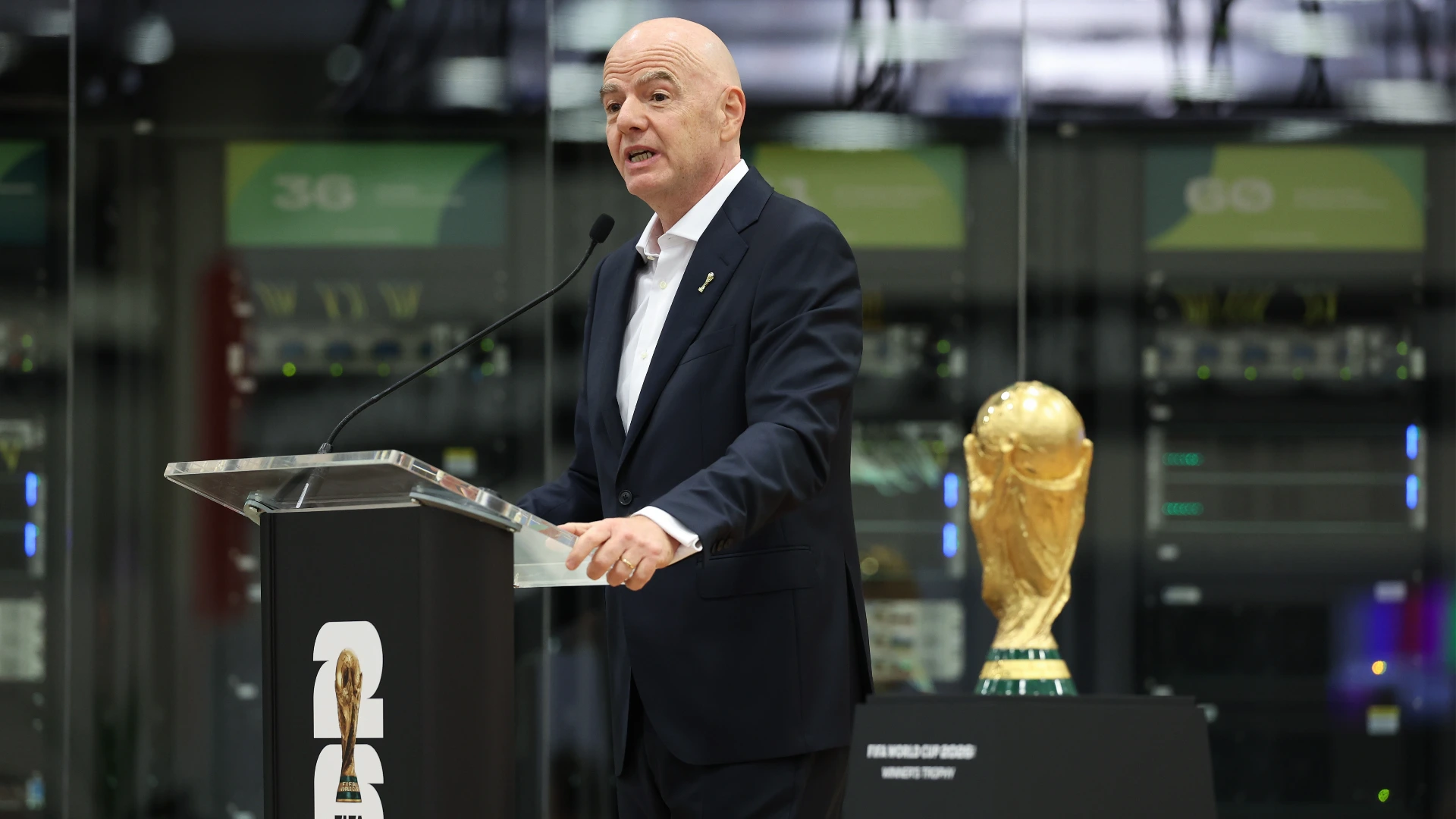
The 2026 World Cup has not yet begun, but FIFA is in the crosshairs again. The latest decision causing discussion concerns a long list of bans set to change, even by a lot, the atmosphere in the stands. No no trumpets, no whistles, no instruments capable of creating ‘excessive noise’: a clean sweep that erases some of the most iconic images of past tournaments in an instant.
The new code of conduct for World Cup stadiums, in particular, bans the famous vuvuzelas, deafening background music for South Africa 2010 matches. There will also be no room for stadium horns, whistles, air horns and any device capable of generating a volume considered ‘disturbing.’ But that’s not all, because for safety reasons FIFA has also banned lasers and light pointers, instruments that have created more than one problem for players and referees in recent years.
Surprisingly, then, reusable water bottles have also ended up on the blacklist, again because of issues (according to the organizers) related to possible misuse, and are banned in all stadiums of the tournament. The regulations then go into detail about behavior in the stands: no body painting considered ‘clothing,’ no nudity, no explicit gestures. Those who do not abide by the rules risk immediate expulsion from the sector or a ban on entry.
FIFA’s decisions have ended up in the crosshairs of several critics, who accuse the international federation of wanting to create an ‘aseptic’ environment, a product dedicated more to the televised presentation of matches than to the passion that fans bring to the stadiums. The feeling is that FIFA is trying to bring order to a tournament that, with just a few weeks to go, continues to present unexpected and critical issues.
And it is here that the discourse inevitably returns to the topic that has been holding the headlines in Italy for weeks: the hypothesis, not yet one hundred percent sunk, of repechage of the Azzurri. Because while the International Federation focuses on trumpets, lasers and dress code, the most delicate dossier remains open: that of national teams at risk of forfeit for geopolitical, health or logistical reasons. Iran and the Democratic Republic of Congo remain monitored cases, and the regulations provide for extraordinary margins for intervention up to the last minute.
Between bans and new rules, in short, FIFA is trying to armor the World Cup. But between international tensions, organizational problems and last-minute unknowns, the impression is that the door, willy-nilly, still remains ajar given the unpredictable scenario.