Formula 1: Calendar Still Up in the Air—The End of the Season Could Be Turned Upside Down
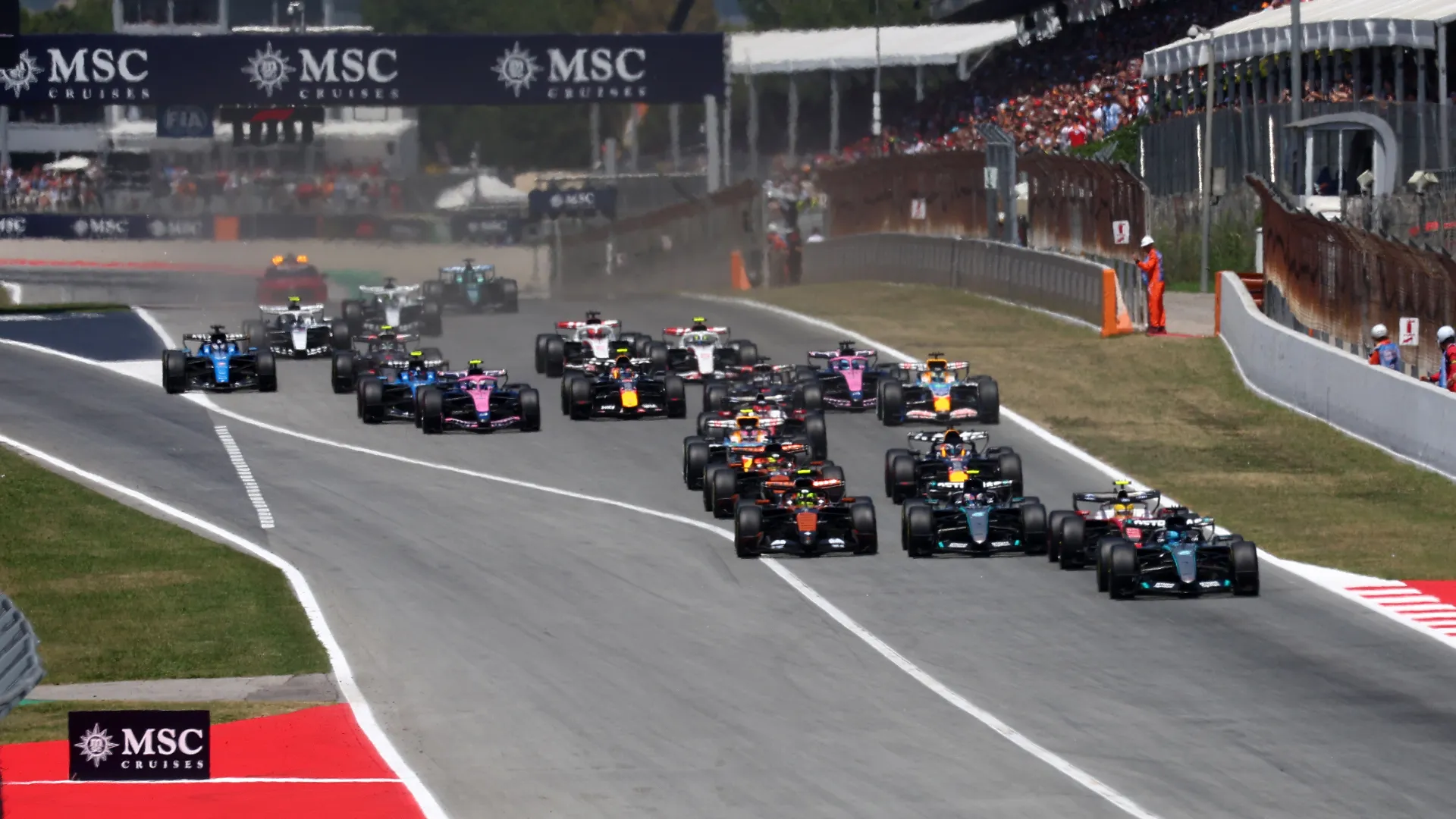
The Formula 1 calendar could undergo further changes even at the end of the season, for the same reasons that led to the postponement and possible cancellation of some of the championship races earlier this year. And the reasons are the same as before: the extremely delicate geopolitical situation in the Persian Gulf countries, which have hosted numerous Grand Prix races for years. With Bahrain and Saudi Arabia already canceled in April, Qatar and Abu Dhabi are now also at risk in the heart of fall.
This was reported by ‘Marca,’ which states that discussions took place as early as the weekend of the Austrian Grand Prix regarding what to do in the event of new problems in November and December. The issue was reportedly raised by German insurance companies (which cover logistics provider DHL, as well as Audi and Mercedes), which are unwilling to provide coverage to teams in a war zone. For this reason, according to Spanish sources, Formula 1 is already exploring alternative solutions.
The preferred option of FOM (Liberty Media)—the holder of the World Championship rights—would be to conclude the season in Qatar and Abu Dhabi as originally planned, while rescheduling the race in Bahrain, which was postponed in April. This remains the baseline scenario, but with two backup or alternative plans. The first option involves a doubleheader in Las Vegas, ending the year with 21 races instead of the 24 originally planned. This would entail canceling the four races in the Gulf nations and adding the aforementioned second race in Nevada. This is a sensible scenario, given that the race is organized by FOM itself—which has a direct interest in that circuit—although tying up a city like Las Vegas for an extra week would entail further complications.
This gives rise to a second option: concluding the season in Europe with two replacement races, such as Portimão and—surprisingly—a second race in Barcelona at the Montmeló circuit. This is one of the scenarios being discussed, although *Marca* itself points out that these are currently just rumors that may prove difficult to implement over time. However, both proposals have reportedly been officially submitted to FOM. A final decision on this matter is expected no later than the Belgian Grand Prix, scheduled for next Sunday, July 19.
Compounding the situation is the tragedy that has recently struck one of Formula 1’s major commercial partners. On Sunday, June 28, a helicopter belonging to Saudi Aramco crashed in Ras Tanura, in eastern Saudi Arabia, killing all 14 passengers on board, all of whom were Saudi citizens. The news, reported by the official SPA news agency and the satellite TV channel al-Arabiya, comes at an already extremely delicate time for relations between the World Championship and the Gulf region: just two days before the accident, Aramco had resumed loading crude oil at its Ras Tanura terminal after a nearly four-month hiatus due to the conflict between the United States and Israel against Iran. This detail starkly illustrates just how unstable the situation in the region still is.
Aramco’s influence within the Formula 1 ecosystem is significant: the Saudi oil company is a Global Partner of the World Championship and a sponsor of the Aston Martin team, as well as one of the most important investors in global sports—just consider its role as an official sponsor of the 2026 FIFA World Cup. Its prominent position makes any decision regarding F1’s presence or absence in the Gulf countries even more delicate, with implications that go far beyond the mere sports calendar.
On the purely competitive front, the Austrian Grand Prix—which served as the backdrop for these reflections—nevertheless delivered a spectacular show and impressive TV ratings. The race in Spielberg, broadcast live on Sky Sport F1, Sky Sport Uno, and Sky Sport 4K, recorded an average total viewership of 1,604,000, with a 14.9% share and 2,049,000 unique viewers. The delayed broadcast on free-to-air TV8 also received an excellent response, attracting an average of 1,248,000 viewers. These figures confirm that, despite uncertainties surrounding the calendar, the Italian public’s interest in Formula 1 remains rock-solid—and they make it even more urgent to find a stable solution for the remainder of the season.