2026 World Cup, England vs. Democratic Republic of the Congo: Heated Debate Following Controversial Decision
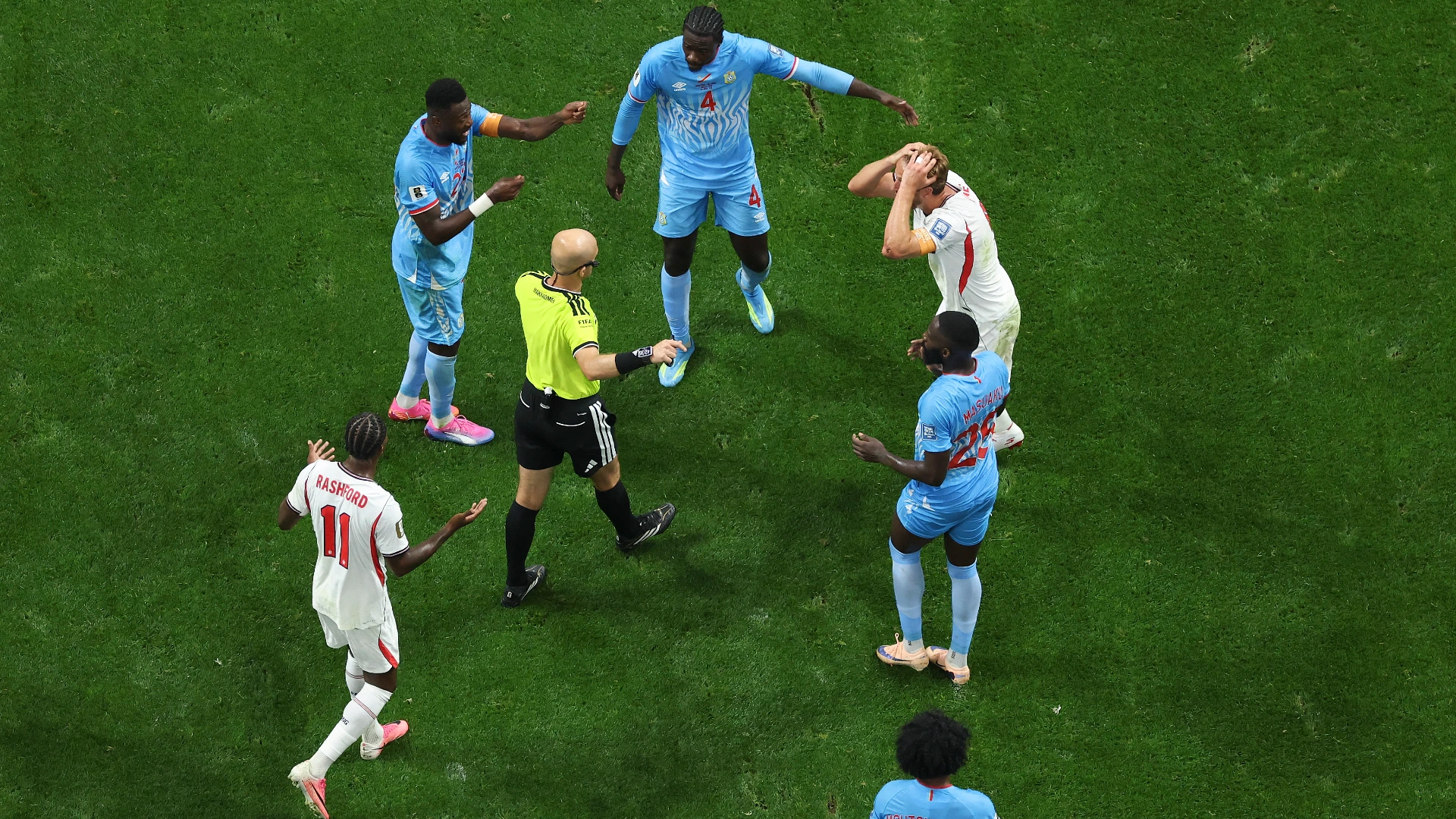
The Round of 16 match at the 2026 World Cup between England and the Democratic Republic of the Congo heated up off the field as well. Toward the end of the first half, with the Congolese leading 1-0 thanks to a goal by Brian Cipenga in the 7th minute, the Three Lions protested vehemently over the failure to award a penalty kick following contact in the box between goalkeeper Mpasi-Nzau and forward Harry Kane.
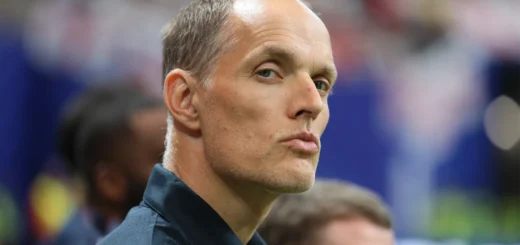
Tuchel’s players protested en masse, convinced that the incident warranted a penalty kick: the referee, Jordanian Adham Makhadmeh, however, had no doubts: mimicking the gesture of a dive, he immediately signaled that, in his view, it was simulation. The VAR room intervened nonetheless with a quick review, which confirmed the on-field decision.
Fueling the controversy, especially on social media, were the slow-motion images shown on TV: Kane let himself fall just before the goalkeeper came out, but the goalkeeper struck him on the ankle. Within minutes, social media turned into a battleground: on one side are those who argue that Kane, while exaggerating the fall, beat Mpasi-Nzau to the ball and deserved the call in his favor; on the other, those accusing the Bayern Munich striker of seeking contact, while still taking issue with the referee for calling the dive without issuing Kane a yellow card.
Regardless of the final result, the incident is bound to remain a topic of debate. The combination of actual contact, an exaggerated fall, and an immediate refereeing decision has created a confusion of interpretations that will continue to divide fans and analysts. Makhadmeh’s handling of the situation, the failure to issue a card, and Kane’s reaction thus join the list of borderline situations that fuel the debate over the use of VAR and the consistency of protocols—especially in a World Cup where every detail can carry the weight of a boulder.