Christian Eriksen Isn’t Giving Up After Another Scare: Expert Criticizes Him and Sounds the Alarm
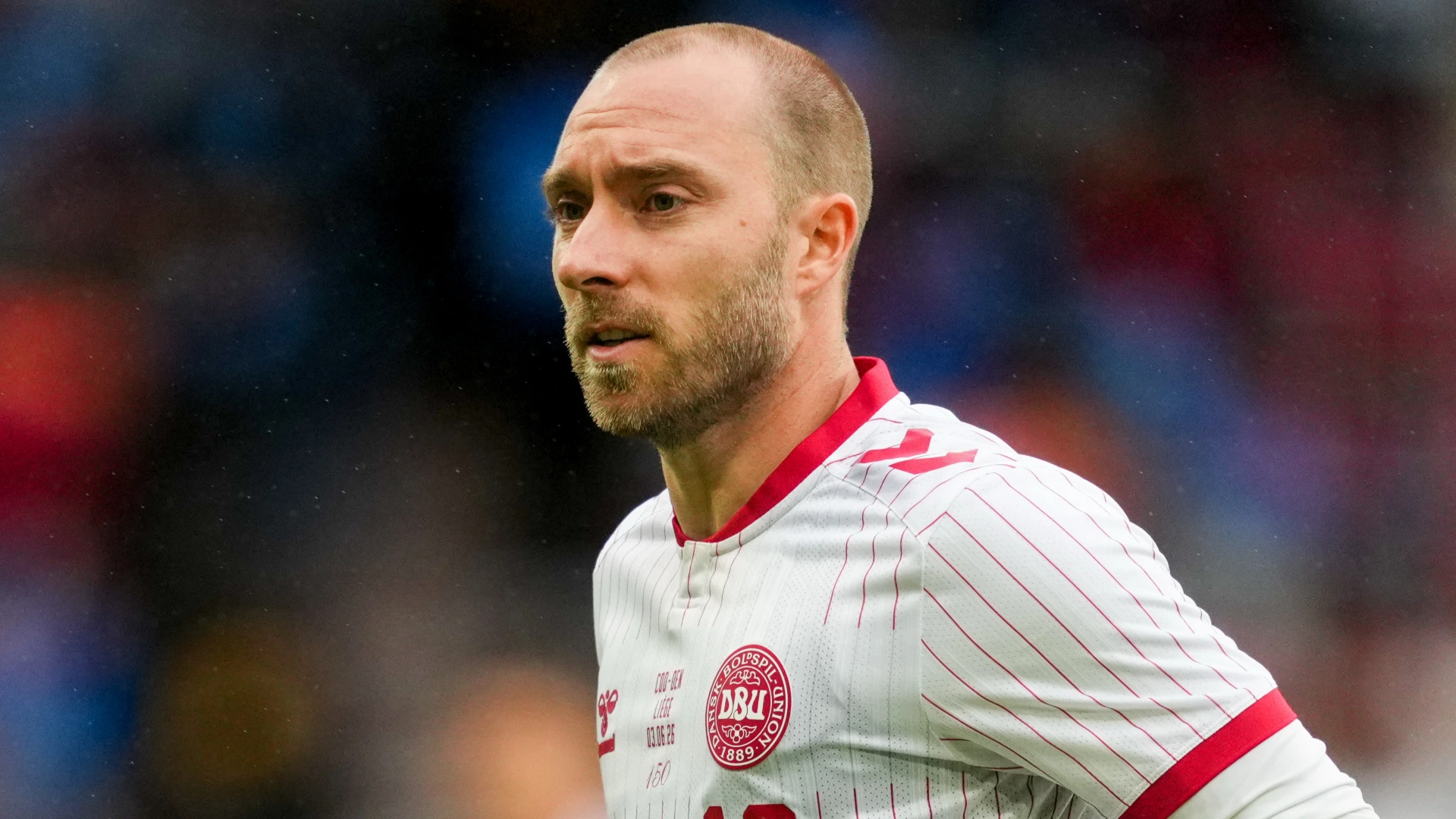
One month after the latest terrifying incident on the field, Christian Eriksen’s future is once again the focus of discussion among soccer fans. The 34-year-old Danish midfielder has decided not to end his career and will continue his rehabilitation at home despite collapsing on June 7 during a friendly match against Ukraine. This decision—especially in light of the first major scare back in 2021—raises complex questions and has deeply divided doctors, fans, and industry insiders.
During the match against Ukraine, Eriksen collapsed to the ground, clutching his chest, far from the ball: the image immediately brought to mind the drama of Euro 2020. His ICD (implantable cardioverter-defibrillator), implanted after that episode, fired a shock to restore his heart rhythm. The next day, from his hospital bed in Odense, the Dane reassured everyone: “This is a different situation from 2021; I feel fine,” he said.
The question that has been hanging in the air for the past month is always the same: Can Eriksen really continue to play without risk? Wolfsburg, the club with which the Danish player has a contract through June 2027, announced that he will not join the team for the start of preseason training. The decision, agreed upon with general manager Dieter Hecking, is clear: Eriksen will follow an individual rehabilitation program in Denmark, while remaining in contact with the club’s medical staff.
However, the decision not to end his career after his second collapse on the field is causing concern among more than a few insiders. The harshest words come from Henning Molgaard, a Danish cardiologist, who has spoken openly about the risks: “Our recommendation is clear,” reports the Danish publication ‘Bold’: “Competing in elite sports with an ICD is unusual. Eriksen collapsed again, and it could happen again: we can’t say when, but the risk is too great. He should retire.”
This is a weighty opinion, especially since many athletes with ICDs have chosen to retire. One example cited is that of Staale Solbakken, now the head coach of Norway. Eriksen, however, is certain of his decision: in his public message following his collapse on June 7, he thanked doctors and teammates, emphasizing that the device had worked perfectly, and adding that he would now focus on his recovery, his family, and his vacation. Now, however, the former Inter player is at a crossroads, and not everyone agrees with his intentions—quite the contrary.
Eriksen’s decision to continue rehabilitation rather than retire permanently is seen by some as an act of courage, and by others as a huge risk. Wolfsburg will kick off the season on August 8 against Kaiserslautern, but at the moment no one knows if the Dane will even be able to step onto the field.