2026 World Cup: Aldo Grasso Surprises Everyone with His Comments on Lele Adani: “He’s Not a Sports Commentator”
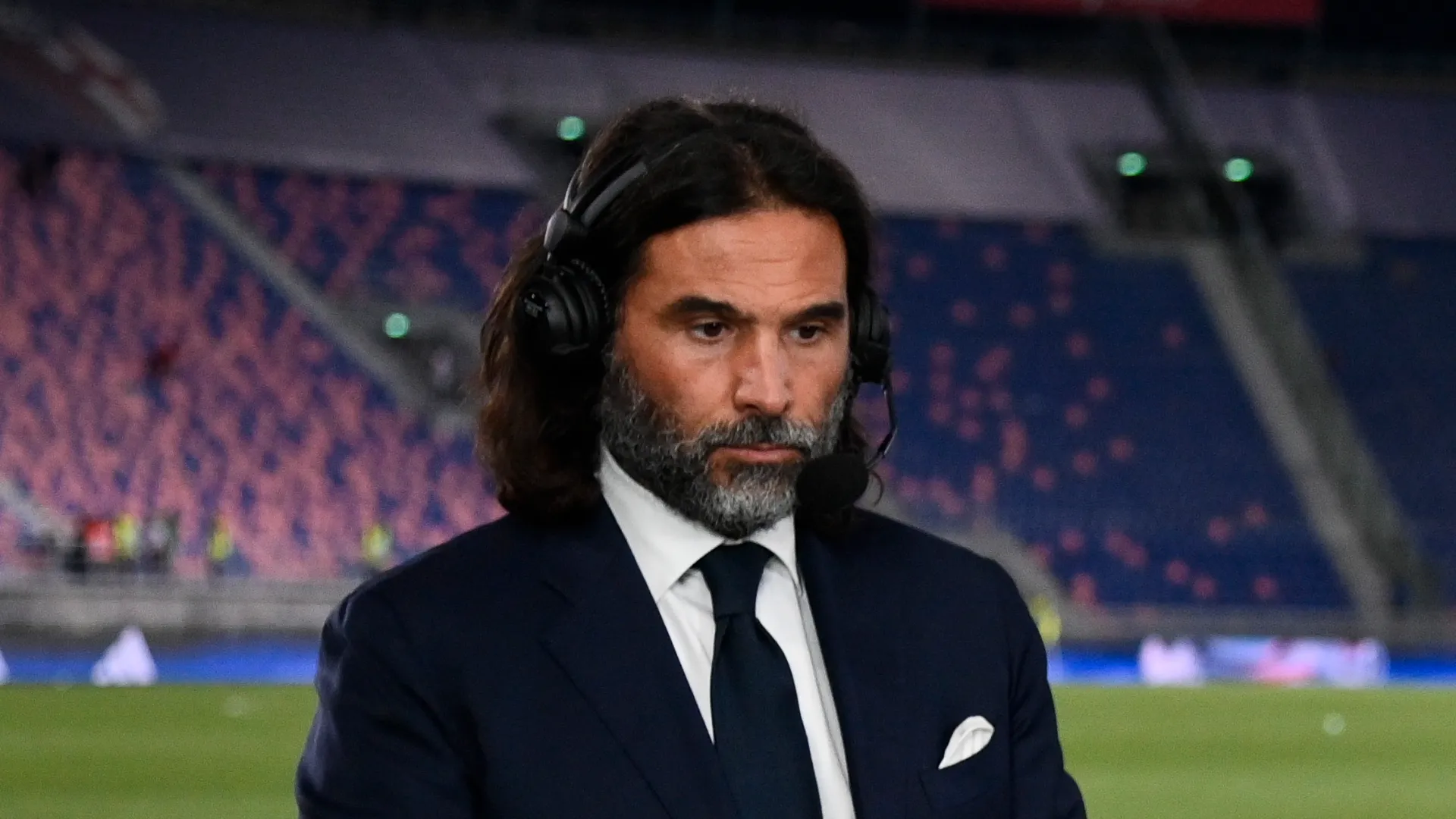
The 2026 World Cup is not just a competition on the field among the top national teams, but also an event that puts the spotlight on how soccer is covered on television. Aldo Grasso reflects on the role of the voices that accompany the matches; in the Corriere della Sera, he analyzed the generational shift currently taking place among broadcasters, highlighting the loss of that immediate recognizability that for years characterized sports commentary.
“Perhaps it’s due to a generational shift, but they no longer sound familiar—” writes Grasso, explaining that he felt a sense of disorientation when hearing the new voices of the World Cup. “ “I hope this isn’t the beginning of premature cognitive decline, but one of the great truths of this Trump-Infantino World Cup is that I no longer recognize the commentators’ voices.” A transformation that the television critic attributes likely to generational change: “I want to believe it’s just a traumatic generational shift, but I admit that I miss the old pleasure of immediate recognition.”
According to Grasso, in fact, the commentator’s voice has always held special value: it shouldn’t be merely a technical accompaniment, but a presence capable of creating familiarity and a connection with the viewer. “The commentator should be a ‘friendly’ guide; the anonymous voice, on the other hand, is like a GPS,” he observes.
Among the most recognizable examples, he cites Lele Adani: “The commentator should be a ‘friendly’ guide; the anonymous voice, on the other hand, is like a GPS. That’s why I love Lele Adani (who isn’t a commentator): he’s passionate, visionary, and polarizing. As a commentator, he transforms technical analysis into a Homeric series of epic and emotional insights. He uses emphatic tones, grand comparisons, and veritable—almost mystical—declarations of love for his divine idols, such as Lionel Messi or Kylian Mbappé. But then again, it’s Lele Adani.”
On the Italian television scene, there’s also a figure like Stefano Bizzotto, held up as a model of balance and restraint. “I recognize him for his commendable restraint, his sense of proportion, and his stubborn tendency to prioritize describing reality over circus-like hype,” writes the critic, calling him “an oasis of calm in the desert of noise.”
On DAZN, however, the reference is Pierluigi Pardo, who over the years has developed an instantly recognizable style, capable of combining traditional sports commentary with a more modern language that resonates with the audience. For Grasso, Pardo is “halfway between commentary for friends and literary storytelling.”
His defining trait is transforming even the simplest moments of the game into a broader narrative, attributing meanings that go beyond mere play-by-play. “Far from the somewhat stiff solemnity of the old guard of television, Pardo has popularized a conversational, modern, and decidedly pop style,” Grasso emphasizes, noting, however, that this lightheartedness does not equate to superficiality.