2026 World Cup: Jordan Pickford Rewrites England’s History—and Norway Has Nothing to Do With It
Norway vs. England, the highly anticipated quarterfinal of the 2026 World Cup, nearly failed to start even at the scheduled time—5:00 p.m. local time in Miami—on a Saturday heavily affected by the suffocating heat that had descended on Florida. Once the opening whistle blew, however, the evening of Saturday, July 11, had already rewritten the history of the Three Lions.
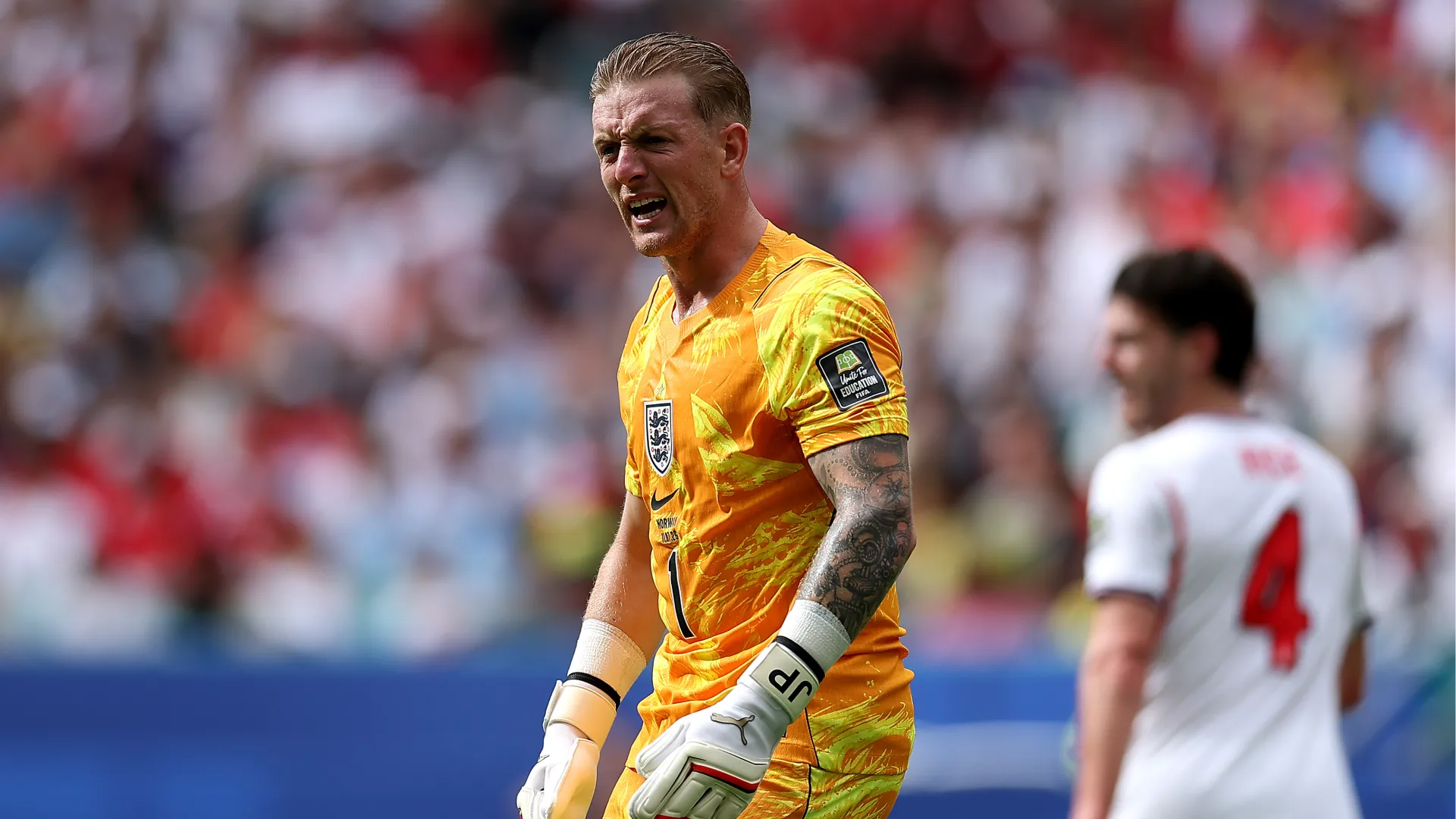
In goal for the team coached by Thomas Tuchel was, as expected, Jordan Pickford. For the man who has been guarding Everton’s goal throughout the year since as far back as 2017, however, this was a historic moment, regardless of the result. That’s because it marked his 18th World Cup appearance. No goalkeeper had ever reached that milestone while wearing the England jersey. Not even Peter Shilton, universally regarded as a legend across the Channel for having started in Spain ’82, Mexico ’86, and Italy ’90. Three World Cups: the same number as his successor. Who, however, has since taken the No. 1 spot from him in a much broader sense as well.
The conditions under which this piece of history unfolded were far from ideal. Miami’s Hard Rock Stadium hosted the match under a heat index nearing 44°C, compounded by the oppressive humidity typical of South Florida at this time of year. The city government had issued an official warning earlier that day urging residents to limit outdoor activities, while FIFPRO, the global players’ union, had called for the rescheduling of all matches if temperatures exceeded 28°C. This is not an isolated incident in this tournament, however: in Philadelphia, during the Round of 16 match between France and Paraguay, the thermometer had already hit 38°C, with heat index readings nearing 46°.
To make the eve of the match even more complicated—at least for the opposing team—a stomach virus had struck several members of the Norwegian squad following their historic victory over Brazil. Head coach Stale Solbakken himself was not feeling his best and could not hide the problem during the press conference, with Marcus Holmgren Pedersen among the hardest hit—so much so that he started on the bench. Erling Haaland, who had scored seven goals in the five matches played in the tournament, had fortunately avoided any symptoms.
Tuchel, for his part, had to deal with two significant absences. Defender Jarell Quansah was serving the second of a two-match suspension imposed by FIFA following his red card against Mexico, while Jordan Henderson had chosen to remain at the national team’s training camp despite fracturing his left forearm after slipping during the post-match celebrations at Azteca Stadium. Despite the absences, the German coach once again relied on his starting lineup, with Harry Kane—who had scored six goals in the tournament prior to kickoff—leading the attack.
Referee Clément Turpin—a French official who has been at the center of controversy in the past—further complicated matters for England when, in the 36th minute, he let play continue on a possible foul against Kane, who remained on the ground after contact with Berg: as the play unfolded, Schjelderup put Norway ahead, beating Pickford on the very day he set a historic record. VAR confirmed the goal was valid, fueling the inevitable debates. This isn’t the first time Turpin has found himself in the eye of the storm during high-stakes matches: his track record already includes the uncalled foul on Bennacer in the 2021–22 Champions League match between Porto and Milan and the controversial red card shown to Hummels in the second leg of the round of 16 between Athletic and Roma.