Italy, Paid Press Conference: Giovanni Malagò Identifies Who Is Responsible
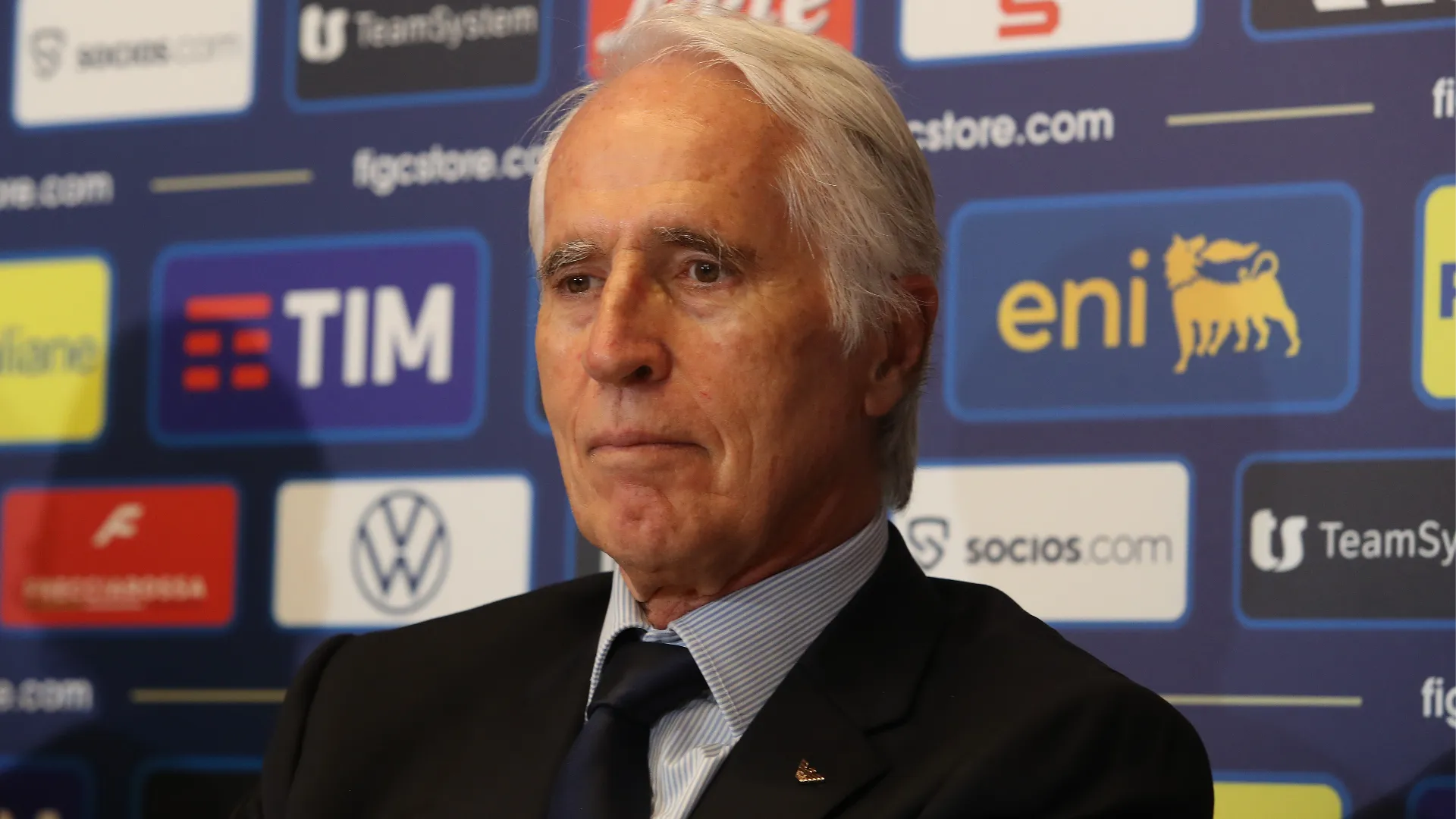
Claudio Ranieri, Italy’s new technical director of the national team, introduced himself at a press conference held at the FIGC headquarters, where journalists were only allowed access upon payment. This situation was addressed by Giovanni Malagò, the new federation president, before he even handed the floor to the Testaccio-born coach, who then outlined his personal plans alongside national team head coach Roberto Mancini.
“As for the paid press conference—as I’ve read—if I bear any responsibility, as always, I will take it upon myself,” Malagò stated. “I simply asked if this was a new policy, but this has been the practice since 2020. Over the past month, this issue hasn’t been my priority, but if it was a mistake, we’ll fix it. I guarantee it. We’ll all meet together after the holidays. I’m sorry that the situation has been exploited; in September, we’ll clarify and resolve everything.”
Ranieri then clarified the reasons why he didn’t join the national team a year ago, when he had already been approached for the head coaching role but the deal ultimately fell through. “I’ve never regretted any of the decisions I’ve made in my career by following my heart. That’s true in this case as well,” explained the Testaccio-born coach. “I couldn’t terminate the contract I had with Roma, the team I love. I couldn’t even take on a dual role—there would have been too many conflicts of interest. Now this call is the true crowning achievement of my career. I didn’t expect it—my tan proves it.”
The new technical director then clearly outlined his vision and the distinction between his responsibilities and those of head coach Mancini. “Roberto will handle matters on the field; I’ll handle what happens off the field. If he needs to ask me for advice, he can do so. Until two years ago, I was coaching too. But I’ll have plenty of other matters to attend to,” Ranieri clarified. “Now we need to bring down the cost of soccer, especially for kids. Only in this way will we bring them back to the sport, while also enabling clubs to provide more players to the national team coach. There are many young players who should be able to play but can’t. Then we need to adopt a less extreme team-based tactical approach, as is done abroad. We work on individual technique and tactics; at ages 10–12, kids need to be playing. There’s a lot of work to be done, and it’s hard to say how long it will take.” An ambitious project, summarized by Ranieri himself in two fundamental missions: “to make Italians fall in love with soccer again and to bring children back to watch the national team at the World Cup. Like my 12-year-old niece.”
The context in which the federation’s new leadership is taking its first steps, however, remains far from peaceful. According to reports in *La Gazzetta dello Sport*, Serie A clubs are deeply dissatisfied with the direction taken by the Malagò administration: the club presidents had identified Antonio Conte as the ideal candidate to revitalize the national team, and the choice of Mancini was perceived as an imposition handed down from above, without adequate consultation with the top-flight clubs. A joke circulating on the sidelines of the Federal Council meeting is telling: “Introducing the National Team, Rome North Branch,” a reference to the friendship between Malagò and the new head coach. There is even talk of a possible motion of no confidence against the FIGC president should the situation deteriorate further.
On the technical front, the first test will be the Nations League: Italy is in Group 1 of League A alongside France, Belgium, and Turkey, with its debut set for September 25 against Belgium. There is no shortage, however, of voices in favor of the new direction. Cesc Fabregas, coach of Como, has stood out as one of the few insiders to publicly speak out in defense of the decision: “Mancini is an honest and successful person; he has won many trophies, and his teams play attacking soccer. I really admired Italy’s 2021 European Championship-winning team, and I’m glad he’s back. We club coaches will certainly support him; I’m not interested in what happened three years ago.” This gesture of openness—combined with Ranieri’s stated commitment to refocusing on young players and the local community—offers a glimmer of optimism in an environment that, for now, remains deeply divided.