Claudio Ranieri explains it all: why he turned down Italy in 2025 and his current goals
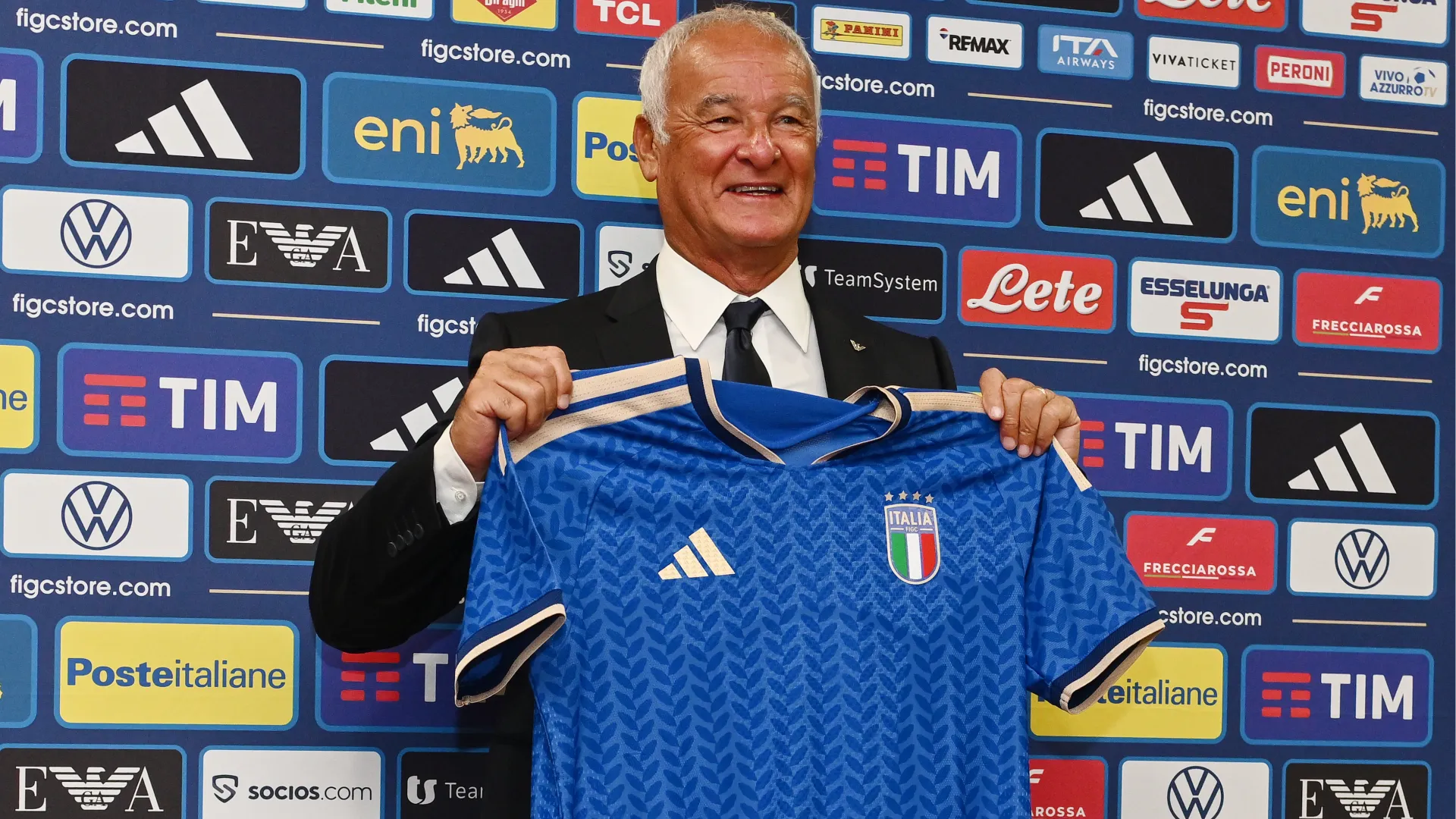
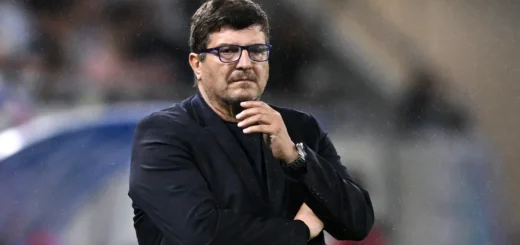
Claudio Ranieri, the new technical director of the national team and president of Club Italia, spoke for the first time since his appointment to this dual role on Wednesday from the headquarters of the Italian Football Federation. The Testaccio-born coach is embracing the Azzurri one year after turning down the head coaching position—a decision about which he shared his side of the story. But he also touched on the relationship he will have with the current head coach, Roberto Mancini, and the kind of plan he expects to propose in the coming years.
“All the decisions I’ve made in my career by following my heart have never left me with any regrets. The same applies here,” Ranieri explained regarding his decision not to take the national team job a year ago. “I couldn’t terminate the contract I had with Roma, the team I love. I also couldn’t take on a dual role—there would have been too many conflicts of interest. Now this call-up is the true crowning achievement of my career. I didn’t expect it—my tan proves it. Over the years, I’ve been entrusted with numerous challenging tasks, and this is another one. I have two missions: to make Italians fall in love with soccer again and to get kids to watch the national team at the World Cup once more. Like my 12-year-old niece.”
Ranieri is therefore clear about his role and Mancini’s. “Roberto will handle matters on the field; I’ll handle what happens off the field. If he needs advice from me, he can ask. Until two years ago, I was coaching too. But I’ll have plenty of other issues to deal with,” the national team’s new technical director clarified. “Now we need to bring down the cost of soccer, especially for kids. That’s the only way we’ll bring them back to the sport, while also allowing clubs to provide more players to the national team coach. There are many kids who should be able to play but can’t. We also need to adopt a less extreme team-oriented approach, as is done abroad. We’ll focus on individual technique and tactics; at ages 10–12, kids need to be playing. There’s a lot of work to be done, and it’s hard to say exactly how long it will take.”
The Ranieri-Mancini duo has already received the endorsement of Andrea Mancini, son of the new head coach and sporting director of Cesena, who commented positively in the *Corriere della Sera* on the arrival of the Testaccio-born coach: “His career speaks for itself. And, above all, he is a person of profound human depth. I believe he and my father can help each other. They’re a winning duo. We need to go back to investing in youth academies and nurturing talent; young Italians must be placed at the center of the system.” These words align perfectly with the vision expressed by Ranieri himself, whose focus on young players and youth academies is the guiding principle of the federation’s new direction.
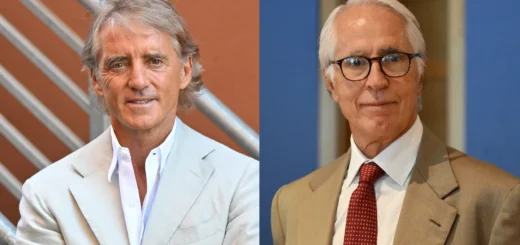
The context in which Ranieri and Mancini find themselves operating, however, is far from simple. According to reports in *La Gazzetta dello Sport*, Serie A clubs are far from satisfied with the direction taken by the new federation leadership under Giovanni Malagò: the club presidents had identified Antonio Conte as the ideal candidate to revitalize the national team, and the choice of Mancini was perceived as an imposition handed down from above, without adequate consultation with the top-flight clubs. A joke circulating on the sidelines of the Federal Council meeting is telling: “The National Team, North Rome Branch, is born,” a reference to the friendship between Malagò and the new head coach. There is even talk of a possible motion of no confidence against the FIGC president should the situation deteriorate further.
In this tense climate, Ranieri and Mancini therefore find themselves having to fight on two fronts simultaneously: the technical front, with the Nations League serving as the first immediate test—Italy is in Group 1 of League A alongside France, Belgium, and Turkey, with its debut set for September 25 against Belgium—and the diplomatic front, with the need to mend relations between the FIGC and the Serie A clubs. A challenge within a challenge, one that will require not only soccer skills but also political and communication skills.
In any case, there is no shortage of voices in favor of the new direction. Cesc Fabregas, coach of Como, has stood out as one of the few insiders to publicly speak out in defense of the decision: “Mancini is an honest and successful person; he has won many trophies, and his teams play attacking soccer. I really admired Italy’s 2021 European Championship-winning team, and I’m glad he’s back. We club coaches will certainly help him; I’m not interested in what happened three years ago.” This gesture of openness, combined with Ranieri’s stated commitment to refocusing on young players and the local community, offers a glimmer of optimism in an environment that, for now, remains divided.