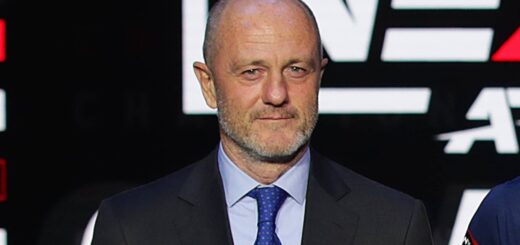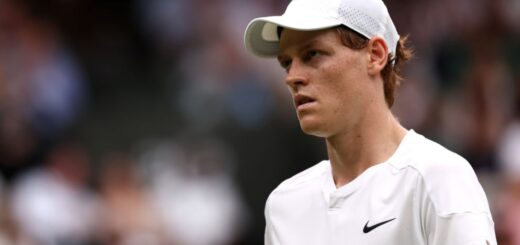
Ivan Ljubicic returns to the subject of Jannik Sinner and launches a comparison that causes discussion
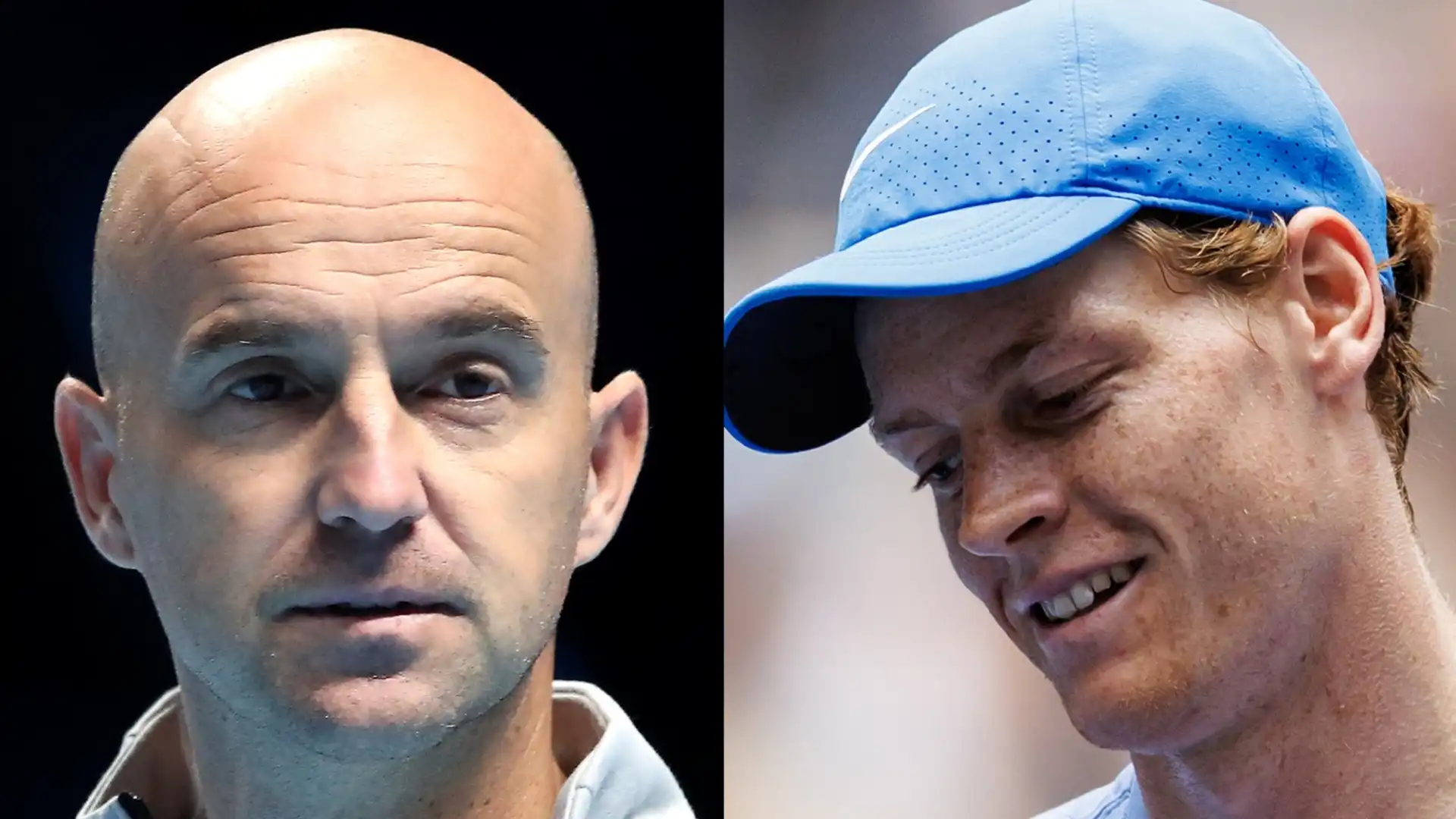
In the midst of a Roland Garros that is seeing the Italy of tennis as a protagonist despite the untimely exit of Jannik Sinner, comes a reflection destined to cause discussion: to propose it is Ivan Ljubicic, a former tennis player and now commentator, a key figure on Roger Federer’s staff for six years and for several years active within the French Federation in the search for talent. ‘Ljubo’, at the microphones of the Roland Garros organization, analyzed the “Italy model” and the ability of Sinner himself to drag an entire movement.
According to the Croatian, the Italian tennis boom is not the result of a single recipe, but of the sum of individual paths: “Sinner grew up with Piatti, Berrettini with Santopadre, Arnaldi in Sanremo. Each one had a specific training. The Federation did a good job, but it was not the direct driver of individual projects. Solid projects always come from the work of the player, the family and the coach, the Federation must be good at being a support.”
Based on this assumption, Ljubicic spoke of the need for France to find its own point of reference, a sort of “French Sinner,” citing the name of Moise Kouamé, the 17-year-old who amazed everyone by reaching the third round at Roland Garros, as a wild card, after beating Marin Cilic and Daniel Vallejo, while also putting a level-headed opponent like Alejandro Tabilo in trouble.
According to Ljubicic, Kouamé himself could prove to be the beacon capable of inspiring an entire generation. “Younger kids are already looking up to him and thinking they can take the same path,” he said, immediately sparking debate. Many, especially on social media, have pointed out that the idea of Kouamé as the dragon of the French movement is still premature, especially when compared to the trajectory of Sinner, who exploded yes very young, but after years of structured work and progressive results.
Ljubicic admitted that France is closely studying the Italian model, with the aim of expanding the number of ITF tournaments in the territory and reducing training costs for young people. But he reiterates that without a strong symbol, a dragger, the process is likely to be slower. And that is precisely where Kouamé’s name comes into play: a potential catalyst, perhaps, that Ljubicic hopes can be a staple for an entire nation as Sinner has become for Italy.
The debate thus remains open, and while Roland Garros continues without the No. 1 seed, Italy nonetheless continues to make its mark with Flavio Cobolli and the two Matthews, Berrettini and Arnaldi, but also in doubles with Andrea Vavassori, Simone Bolelli and Sara Errani.