Italy’s repechage to the World Cup, macché: Gianni Infantino willing to do anything to get Iran'Iran
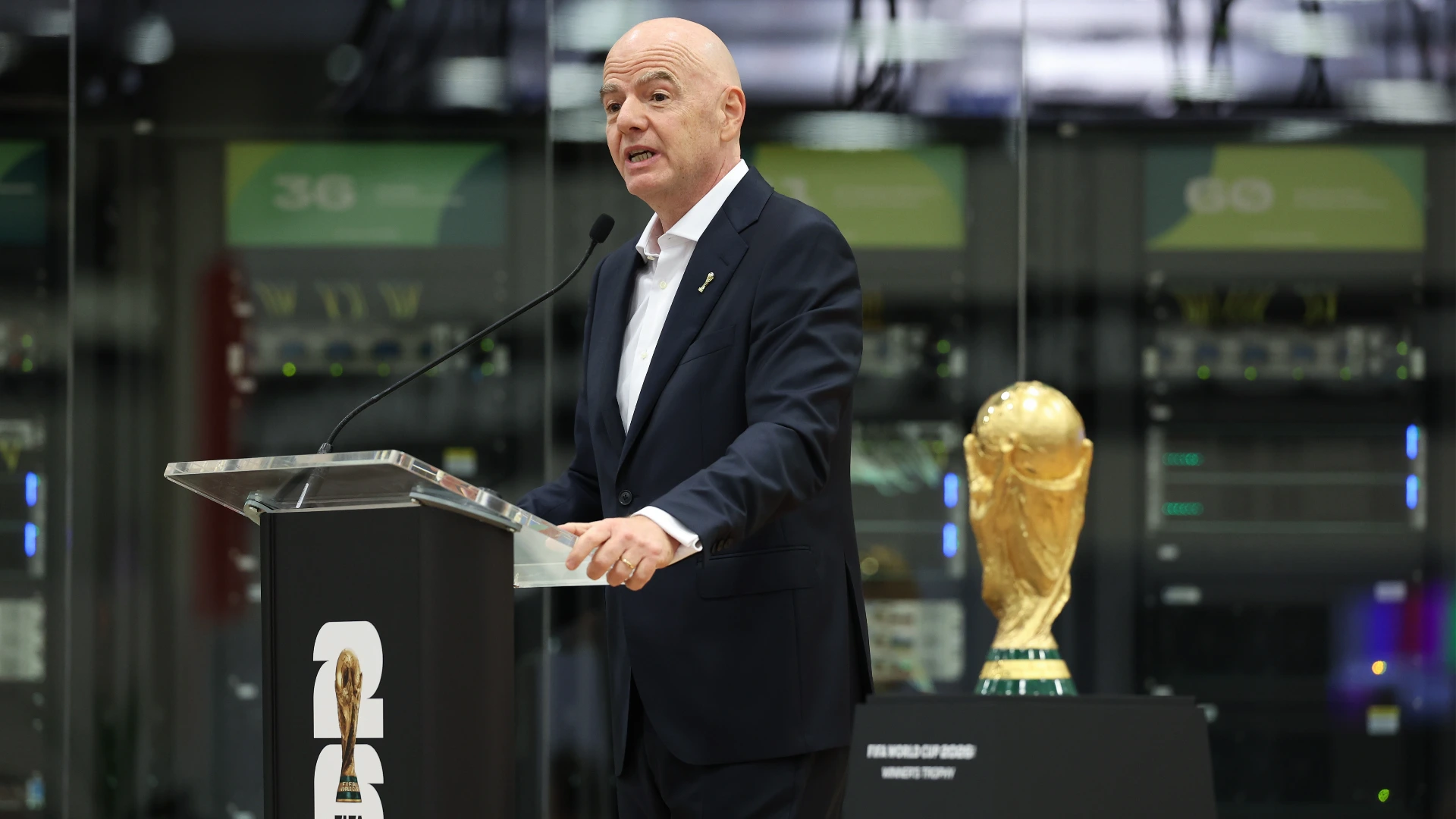
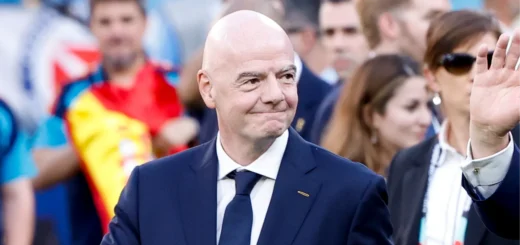
The case of Iran, and the possibility that it would not take part in the 2026 World Cup due to the ongoing delicate geopolitical situations, has kept Italy clinging for weeks to the possibility of a repechage in extremis to the event that will begin on Thursday, June 11. Yet Gianni Infantino, FIFA president, in the press conference held on the eve of the start of the big event, admitted that he was willing to do anything to ensure the presence of ‘Team Melli’.
“I am really happy that in the end Iran will be there at the World Cup,” Infantino said. “I am proud of the work done by FIFA to ensure that this was possible. We had to deal with special circumstances; we had no influence on them. In March I personally went to see them in Antalya, someone told me they could not be there. I emphasized that as qualified, they would come. I was ready to personally get behind the wheel of their bus from Tehran, but it didn’t help. They drove it themselves.”
The road to the World Cup was anything but easy for the Iranian delegation. U.S. authorities had initially issued visas to the players but denied entry to some key staff figures, including the team manager, executive director, photographer, and communications officer. It was a situation that had prompted captain Ehsan Hajsafi to address FIFA directly through the microphones of the organization’s official TV: “So far, visas have been issued to the players and some members of the technical staff but unfortunately not to several key figures of the technical and managerial staff, people whose role is extremely important to the team. Hence I appeal to FIFA to address this situation and help resolve it in the coming days.” The same captain had then added, in words that capture the harshness of the moment experienced by the Iranian people, “In the past year, our country has faced two wars and the Iranian people have experienced very complicated moments. The national team players are also part of this people.”
The tensions had not stopped at visas. The Iranian federation had also denounced the revocation of the quota of tickets reserved for its fans for group stage matches against New Zealand, Belgium and Egypt, calling the decision “contrary to the spirit of international competitions.” According to FIFA regulations, participating federations are entitled to a quota of 8 percent of the available tickets for each match; Tehran claims it had already started selling coupons, allowing fans to arrange travel and accommodation, before the quota was suddenly withdrawn. Further exacerbating the climate had been Iran’s Minister of Sports and Youth Ahmad Donyamali, who issued an explicit warning: “Should we see a flag or symbol other than that of the Islamic Republic of Iran in the stadiums where we play, or should slogans be chanted that violate the rules, the team’s manager will certainly have a duty to disrupt the match.”
The Iranian case, moreover, fits into a broader picture of border tensions that have characterized the eve of the tournament. The most sensational episode concerns Somali referee Omar Abdulkadir Artan, who was awarded the 2025 Best African Referee of the Year award and was selected by FIFA as one of 52 referees for the final round: despite holding a regular visa, he was turned away and sent back to Turkey, from where he had departed via Kenya, because of the visa suspension imposed by the Trump administration for 75 countries, including Somalia. He would have been the first Somali referee to direct a World Cup match. Upon his return to Mogadishu, greeted by hundreds of fans and the Minister of Youth and Sports, Artan became a national hero: “I promise you, God willing, I will participate in the next edition of the World Cup,” he said at the airport. Iraqi striker Aymen Hussein was also detained for seven hours at the Chicago airport before being allowed to enter, while Iraqi national team photographer Talal Salah was permanently turned away. Even the Uzbekistan national team, led by Italy’s Fabio Cannavaro, was subjected to searches with metal detectors and drug-sniffing dogs upon arrival in New York, with videos of the scene quickly going viral.
Interviewed on the issue of denied entry, Infantino chose cautious words: “We always try to find a solution, you have to believe me. But we are not the kings of the world, we cannot override governments and law enforcement. We are a sports organization and that’s it.” For his part, Donald Trump dismissed the controversy with a few words spoken in the Oval Office, “Let’s get the right people in,” adding that “the World Cup has never been so successful.” It was a response that caused as much discussion as and more than the tensions he intended to dismiss, and inspired the vitriolic cover of ‘L’Équipe,’ titled “Welcome to the USA”: Trump portrayed wearing the “FIFA Peace Prize” medal around his neck, the World Cup in one hand and Infantino transformed into a puppet in the other, with referee Artan and a masked ICE agent on either side. The World Cup is ready to go, but the tension around the event seems destined not to subside.