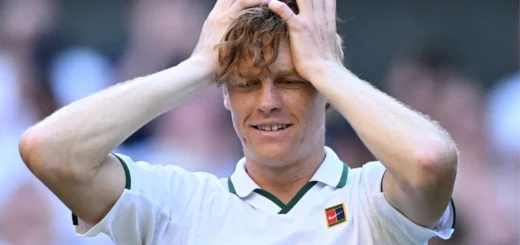
Jannik Sinner and the other top players aren’t backing down: a big question mark remains ahead of Wimbledon
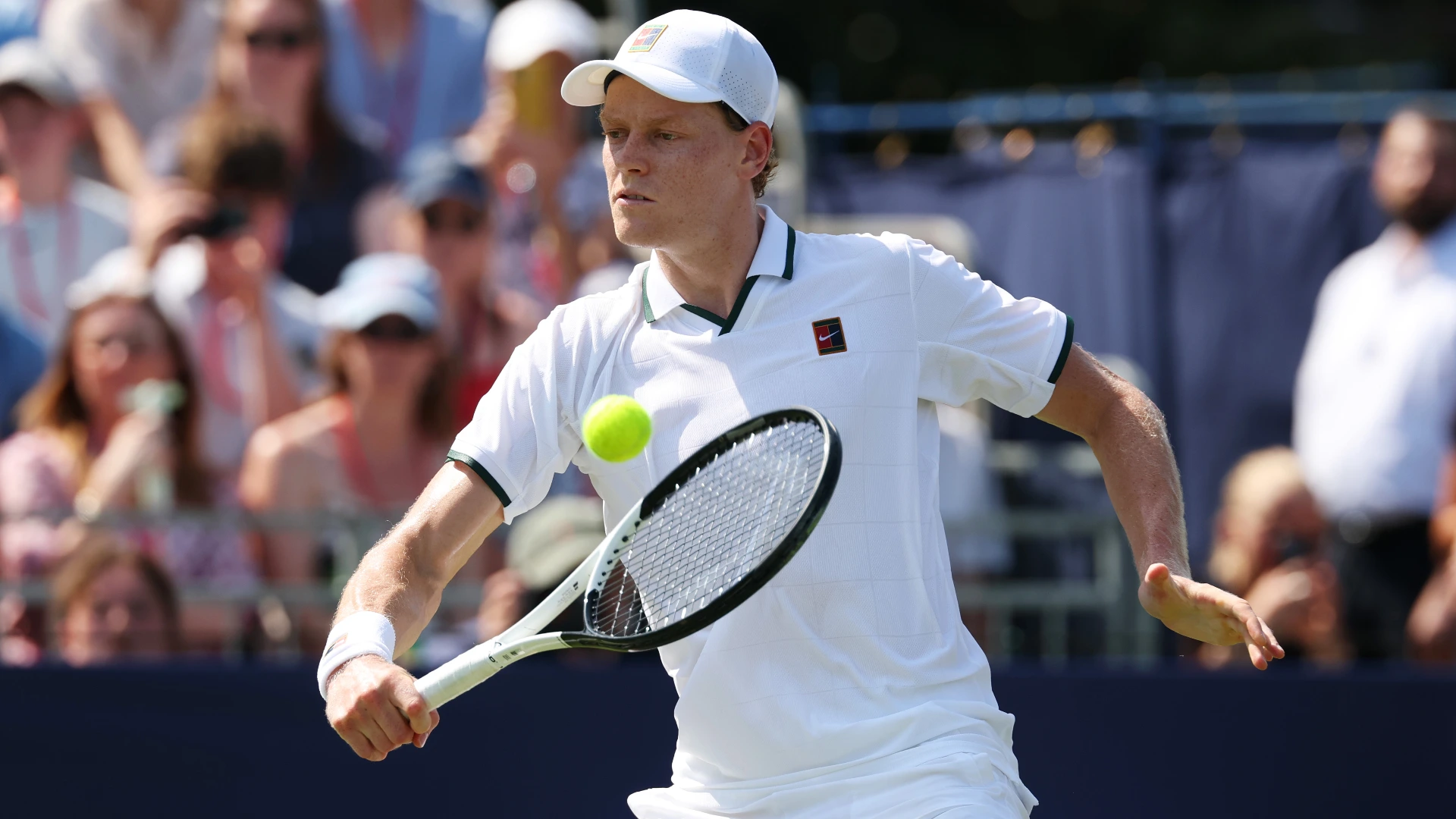
On the eve of the Wimbledon tournament, the atmosphere surrounding the premier event of the tennis summer is not what it usually is. The conversation isn’t just about form, surfaces, or the draw: taking center stage is the protest by the world’s top tennis players, including the No. 1-ranked Jannik Sinner and Aryna Sabalenka, who have decided not to back down from their demand for a different distribution of Grand Slam tournament revenue.
The protest, which began at Roland Garros, is set to continue at least through the first week of the Championships, with an impact that could be felt even beyond that. In Paris, the group of top players had already chosen to drastically limit their media commitments, first by reducing pre-tournament press conferences to 15 minutes, then by extending the protest to post-match interviews as well.
This decision stems from a specific demand: to secure a higher percentage of the revenue generated by the Grand Slams, greater investment in player welfare funds, and the creation of a committee to formally represent athletes within the four most important tournaments on the calendar—organized as part of the international tennis season by the ITF in collaboration with the local federations of Australia, France, Great Britain, and the United States.
Despite a year of negotiations, progress has been minimal, and the players snapped last spring when the prize money at Roland Garros was deemed insufficient compared to the group’s expectations. This led to the decision to boycott all non-mandatory media activities—a particularly sensitive issue for organizers given the advertising revenue generated even in those contexts.
The All England Lawn Tennis and Croquet Club, the Lawn Tennis Association, and the ITF tried to avoid a confrontation ahead of Wimbledon by announcing a record 20% increase in the prize money, bringing it to 64.2 million pounds (74.4 million euros). This move was acknowledged by the athletes but still falls far short of the requested threshold: according to the group, the share allocated to players currently stands at 14.4%, while the goal is to reach 16%. In a tournament with enormous revenues, this difference amounts to several million.
The protest will therefore continue in London as well, from Saturday’s media day through July 5, with the players pledging to limit any activities that are not strictly mandatory. For the players, this is a form of pressure intended not to harm the tournament, but to highlight an issue they believe can no longer be postponed.
In this context, Sinner and the other top players arrive at the Championships with a question that extends beyond the court: how long will this standoff last, and what consequences might it have on the relationship between athletes and Grand Slam organizers? Wimbledon, which has always been a symbol of tradition and stability, thus finds itself facing a united front that shows no signs of backing down.