Jannik Sinner: After his “no” in Cincinnati, the debate flares up again—the Italian player’s fans have spoken
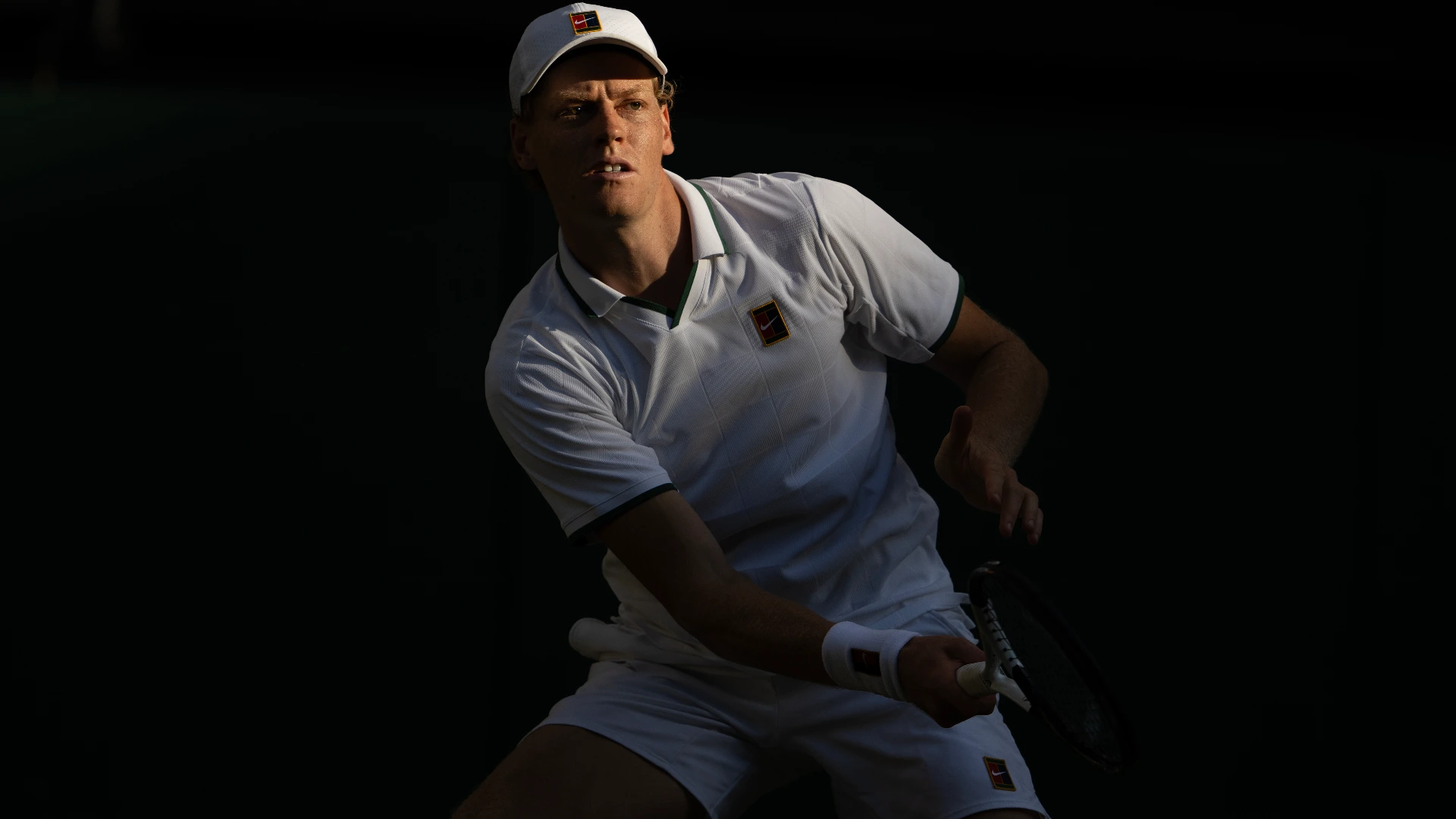
Jannik Sinner’s withdrawal from the Cincinnati Masters 1000 is not just a sports news story: it is, in fact, the spark that has reignited a debate that had already been raging in recent months, especially after the illness that prevented him from advancing past the second round at Roland Garros. The Italian player, forced to take a step back this time due to discomfort in his right knee, explained that he is not yet ready to compete despite the efforts of his medical team and that he is working toward being 100 percent fit for the U.S. Open.
Sinner underwent examinations in Milan and then at J-Medical in Turin, where he will continue treatment (including shockwave therapy) to permanently eliminate the pain. The priority is to recover without pushing himself too hard, even if it means reluctantly skipping a key tournament on the road to the U.S. Open, his major goal for late summer.
Cincinnati was supposed to be the final test before New York: with this withdrawal, Sinner will arrive at the Grand Slam more than a month after his last match—the final he won at Wimbledon. It’s a long break, but not necessarily a problem: at the Championships themselves, the Italian had proven he could immediately regain his form even without official warm-up matches (before Wimbledon, he had played only one exhibition match).
His withdrawal from Cincinnati, however, has reignited a debate that has been simmering for some time: according to the Italian’s fans—and others—the ATP calendar needs to be rethought because, in their view, the current structure of the Masters 1000 tournaments has become unsustainable: “Too many tournaments in quick succession, grueling stretches leading up to the Slams, top players forced to choose what to sacrifice,” reads one of the most-liked comments, which captures the frustration over yet another event without the world No. 1 following the one in Montreal.
The debate has thus reignited with a vengeance: according to a large segment of the public, the ATP should completely recalibrate the calendar, revising the number of Masters 1000 and ATP 500 events to create a more sustainable season. The idea is clear: “Fewer obligations and more breaks mean higher quality. As it stands now, however, there will always be some top player forced to pull out,” writes another fan.