The coach who won in Rome: "Usurpation? Those who agree to the transfer are reimbursed"
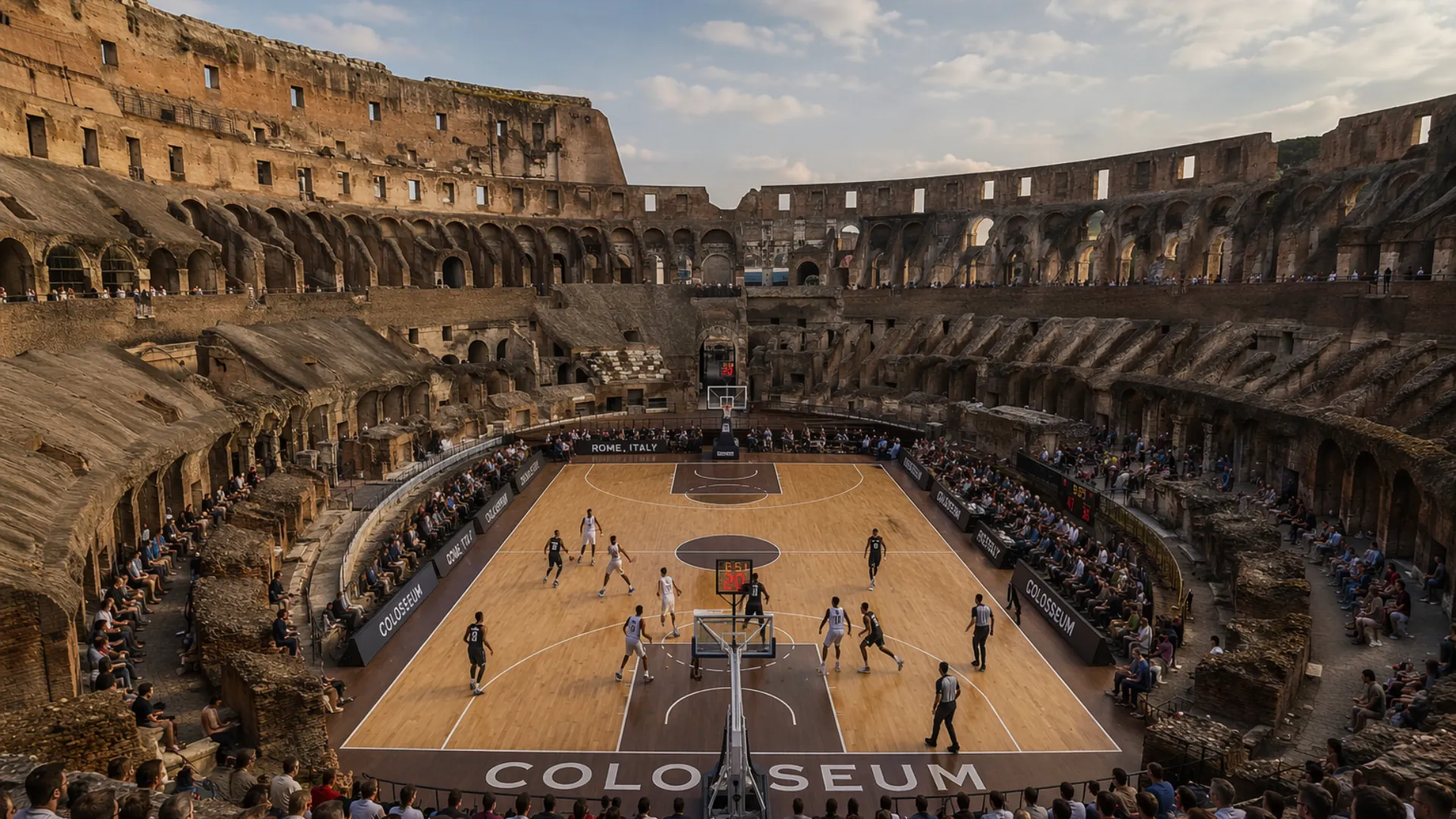
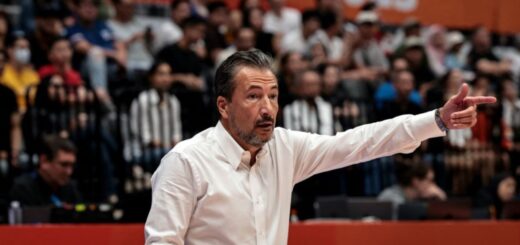
Valerio Bianchini, who at the helm of Virtus Roma won the championship in the 1982-83 season and in the following season put the Champions Cup in the Capitoline club’s trophy cabinet, is back to talk about the imminent return of basketball to the Eternal City.
“To all those who live as usurpation the arrival in Rome of new forms of professional basketball, I would like to remind that the clubs that should allow the transfer to another venue would be richly reimbursed, that such transfers are allowed by federal rules, that the essence of sport is the overcoming of limits and not the acceptance of mediocrity,” the Bergamasque wrote on his social media.
The most explicit reference to the mechanism in place had come a few days earlier, again through social media, with a post with ironic tones but loaded with historical significance: “In 750 BC the first inhabitants of Rome, brave but lacking females, at the command of Romulus, invaded the neighborhood and carried out the famous ‘Rape of the Sabine Women.’ Today, a few millennia later, Rome, deprived of top basketball, embarks on the equally famous ‘Rape of the Sabine teams.’ I cannot help but remember that from that rape originated the greatest empire known in antiquity. Will it be the same for the Rome of future basketball?” An exit that had immediately made the rounds in national basketball circles, which were very much affected by a delicate and controversial situation.
In recent days a petition was created with the aim of saving Trieste Basketball. “Trieste is not just any square for Italian and European basketball. It is a city that has helped build the history of basketball since its origins, with Ginnastica Triestina the Italian champion in the first championship in 1929-1930. Today this tradition, alive and competitive, is in danger of being challenged,” it reads.
“Pallacanestro Trieste has proven its worth on the court, with important results even in the European arena and with one of the most numerous and participating audiences in Italy. A reality built over time, supported by thousands of fans, cannot be treated as a mere transferable sports title. A sports club can be sold. But a sports culture cannot,” adds those who promoted it.