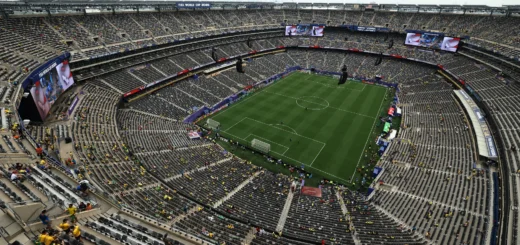
World Cup 2026, sound nightmare looms for TV viewers
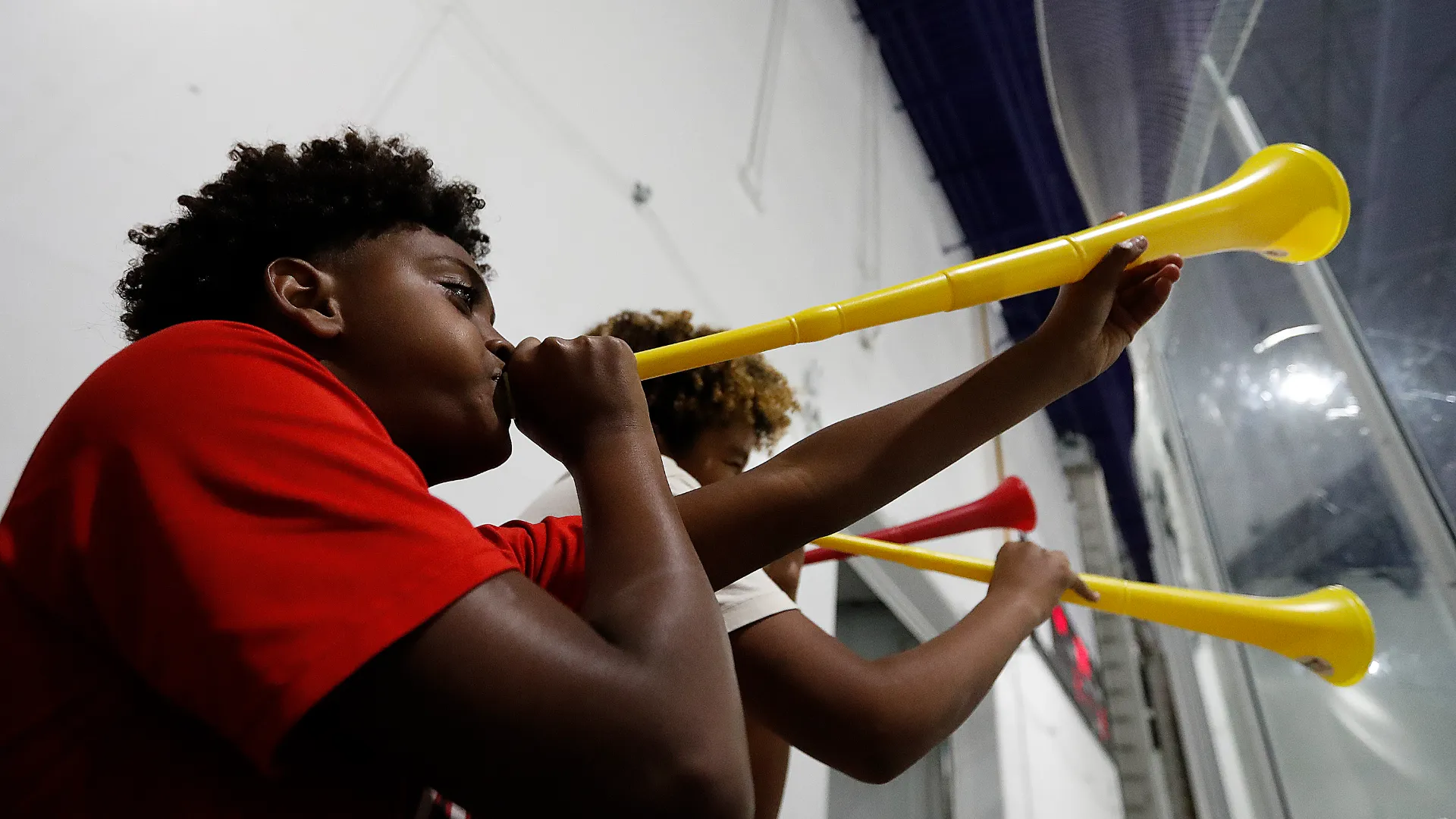
With South Africa’s return to the final round of the World Cup (Bafana Bafana stayed out in 2014, 2018 and 2022: three editions in a row, remind you of anyone?) the nightmare of the vuvuzela is back. The famous plastic trumpet, about 65 centimeters long, became famous during the World Cup in South Africa for its deafening, continuous sound near B-flat. Widespread in the stands at South African soccer matches, over time it has become a true symbol of local cheering. And we will see it at work again in North America.
Also known as “lepatata” in the Tswana language, the vuvuzela was patented by Neil Van Schalkwyk. Several theories have arisen around its origins: according to some, the name recalls the noise produced by the instrument, a kind of onomatopoeic “vu-vu” in the Zulu language; according to others, it would instead derive from a colloquial term meaning “shower,” because of its shape.
For years it was believed that the vuvuzela was inspired by the cudu horn used in South African tribal traditions, a version also supported by FIFA, although this reconstruction has since been scaled back. A giant 35-meter-long vuvuzela, mechanically operated before matches, was also installed in Cape Town.
The departure of the South African delegation, scheduled for last Sunday on a charter flight bound for the preparation base in Pachuca, Mexico, was skipped at the last moment: several players and staff members had not yet obtained their U.S. visas, just eleven days before the opener against the Mexican hosts. The situation forced the federation, SAFA, to call an emergency meeting and postpone the departure, with the national team forced to continue training in Johannesburg while awaiting developments.
The affair has triggered harsh reactions. South African Sports Minister Gayton McKenzie called the situation “embarrassing and deeply unfair,” announcing that he had asked the federation for a detailed report and action toward those responsible. “We are being made to look like fools,” he wrote in a post with unequivocal tones. Iran, which is grappling with a similar bureaucratic tug-of-war with Washington, has not remained silent either: in a statement issued by one of its embassies, Tehran accused the United States of acting “in bad faith,” also explicitly citing the South African case as evidence of a hostile attitude on the part of the host country.