2026 World Cup: Anger Mounts as the U.S. Snubs Another National Team
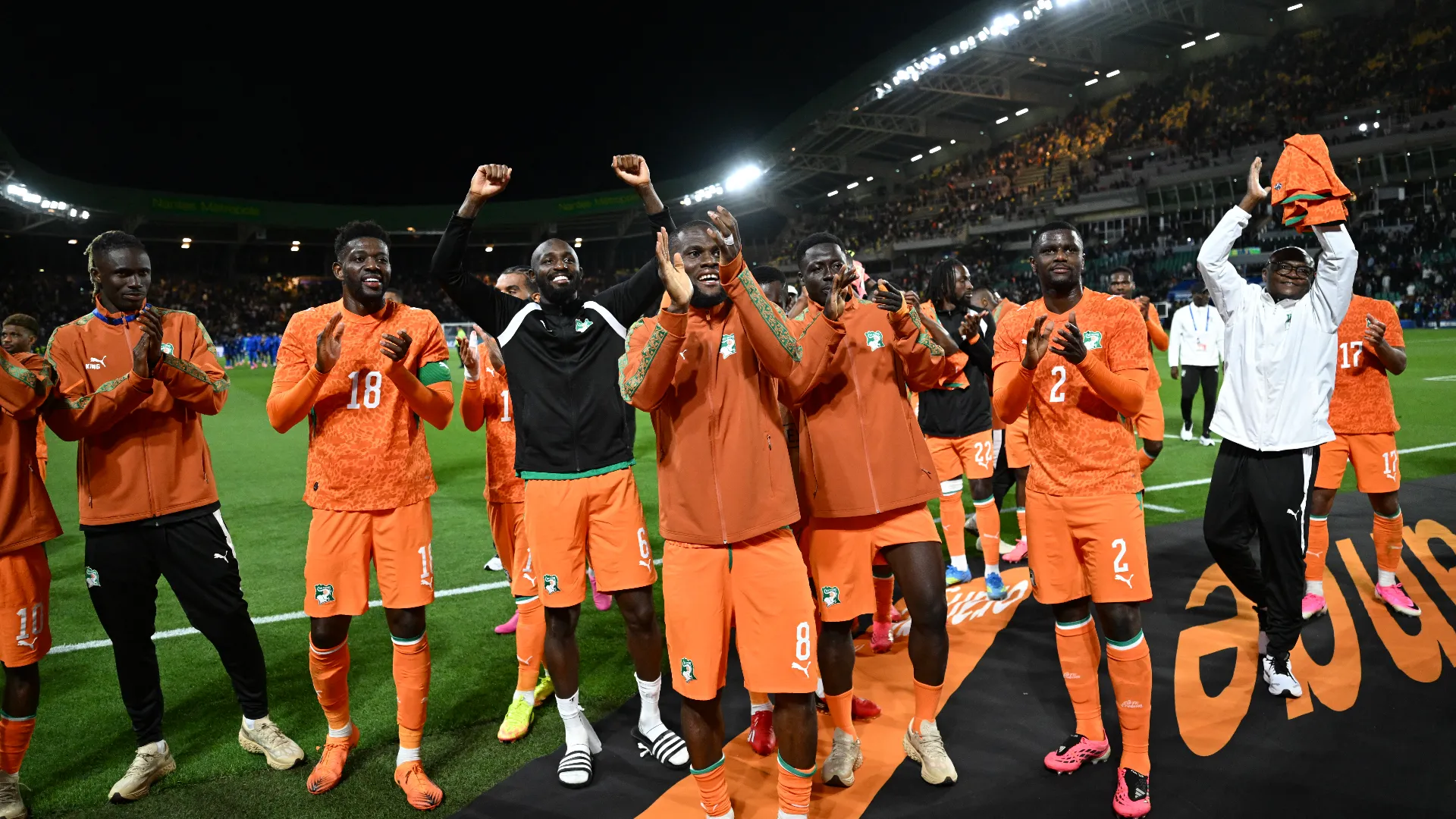
The Ivory Coast will not be able to count on its fans at the 2026 World Cup. The extremely strict security measures imposed by the Trump administration have limited the number of visas issued, and the Elephants’ fans have also been affected, forced to remain in Africa.
“Fans have given up on the trip because the U.S. government does not intend to welcome supporters from certain countries, including Ivory Coast. The United States has been very clear: they do not want to see our fans on their soil,” said Julien Kouadio Adonis, president of the National Committee of Elephants Fans.
The Ivorians will have to do without their fans, among the most passionate in Africa: “This situation is truly painful. It prevents us from fulfilling our primary role, which is to support the team. We would have had the opportunity to showcase our culture in the stands.” The U.S. has granted entry, in addition to the players and coaching staff, only to a few officials who will be tasked with supporting Ivorian fans residing in America. Ivory Coast will make its debut on Monday, June 15, against Ecuador in Philadelphia.
The visa issue has poisoned the atmosphere surrounding the entire tournament from the very start, becoming one of the hottest topics of this World Cup. The case that caused the biggest international stir was that of Somali referee Omar Artan, named the best African referee of the year in 2025 and officially selected by FIFA as one of the 52 referees for the final tournament: despite holding a valid visa, he was turned away at the border due to the visa suspension imposed by the Trump administration on 75 countries, including Somalia.
Further controversy was sparked by Iranian Foreign Ministry spokesperson Esmaeil Baqaei, who during a press conference harshly criticized both FIFA and the United States: “A significant portion of FIFA regulations and the commitments made by the host country have already been violated. Among these violations is the failure to issue visas to a considerable number of team members who, according to FIFA rules, should have received them.”
Faced with this scenario, FIFA’s position is controversial. President Gianni Infantino reiterated the international federation’s stance with a statement that left a bitter taste in many people’s mouths: “We cannot interfere in the immigration policies of a host country.” These words have only fueled criticism from those who view this World Cup, as the French sports daily L’Équipe wrote in its June 11 edition, as “one of the most politicized sporting events in history.”