Mike Tyson Turns 60: The Rise, Falls, and Rebirths of a Legend
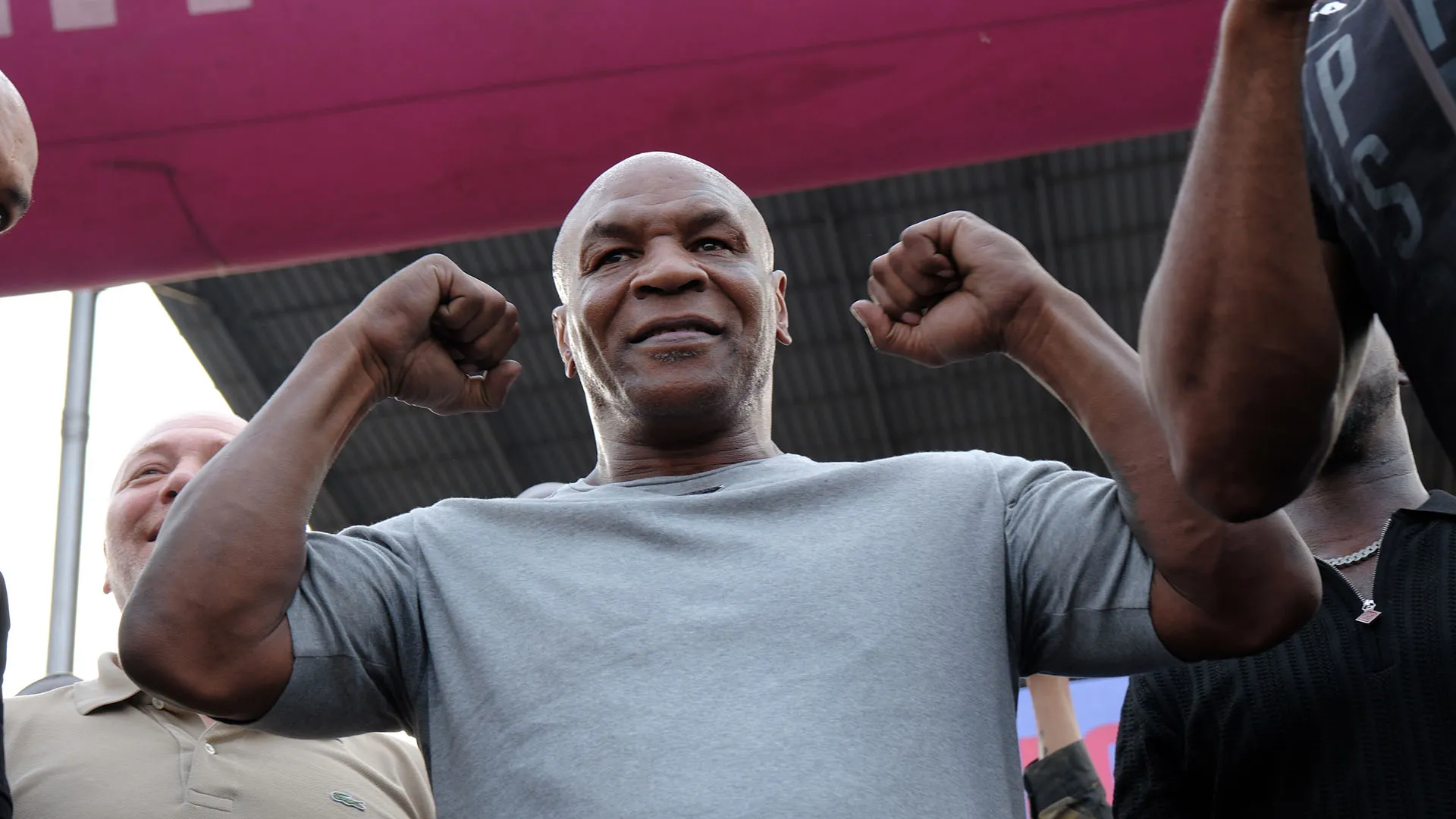
Mike Tyson is one of the most iconic, controversial, and recognizable figures in the history of boxing and world sports. His story is one of a meteoric rise, absolute dominance in the ring, and a decline marked by dramatic events both inside and outside the arena. A champion capable of transforming the heavyweight division, but also of leaving behind a complex and divisive legacy.
Born in Brooklyn in 1966, Tyson grew up in a difficult environment marked by poverty and crime. The turning point came when he met Cus D’Amato, a coach and mentor who recognized his extraordinary talent and also guided him on a personal level. D’Amato became a father figure to him and taught him the famous “Peek-a-Boo” style, based on a very tight guard, rapid torso movements, and explosive counterattacks with hook-uppercut combinations. Under his guidance, Tyson made his professional debut in 1985, racking up an impressive string of knockout victories that quickly brought him to the world’s attention.
On November 22, 1986, at just 20 years, 4 months, and 22 days old, Tyson made history by defeating Trevor Berbick by technical knockout in the second round and winning the WBC heavyweight title. He thus became the youngest world champion in the division, a record that still stands today. Between 1987 and 1988, he completed his rise to the top by unifying the major titles with victories over James Smith and Tony Tucker, culminating in his definitive triumph with a devastating knockout of Michael Spinks in just 91 seconds—against an undefeated opponent considered one of the best of the era.
During those years, Tyson seemed invincible, but his composure began to crumble following the death of Cus D’Amato and the gradual deterioration of his personal and professional life. In 1990, his first major setback came: in Tokyo, he was sensationally defeated by Buster Douglas in one of the most surprising knockouts in sports history.
In 1992, his career came to an abrupt halt due to a rape conviction, which landed him in prison and kept him out of the ring for about three years. His comeback came in 1995, with Tyson temporarily regaining the WBC and WBA titles by defeating Frank Bruno and Bruce Seldon, proving he could still compete at the highest level.
The final phase of his career, however, was marked by instability and controversy. His rivalry with Evander Holyfield became emblematic of this period: after losing the first bout, the 1997 rematch went down in history for an unprecedented incident in which Tyson bit off part of his opponent’s ear, resulting in his disqualification and one of the most controversial images in modern sports.
In the years that followed, he attempted to return to the top, but was unable to regain the championship. In 2002, he faced Lennox Lewis for the world title and was defeated by knockout in the eighth round. He officially retired in 2005 after a loss to Kevin McBride, ending his career with 50 wins (44 by KO) and 6 losses.
Mike Tyson’s story remains one of rare talent and unprecedented power, but also of personal fragility and controversial choices that deeply marked his journey. A unique champion, capable of dominating an era and at the same time transcending the sport, becoming a symbolic figure of both success and downfall.