F1: The Bahrain Grand Prix Will Be Held… in Malaysia—Fans Like the Track, but There’s Already a Major Controversy Among Them
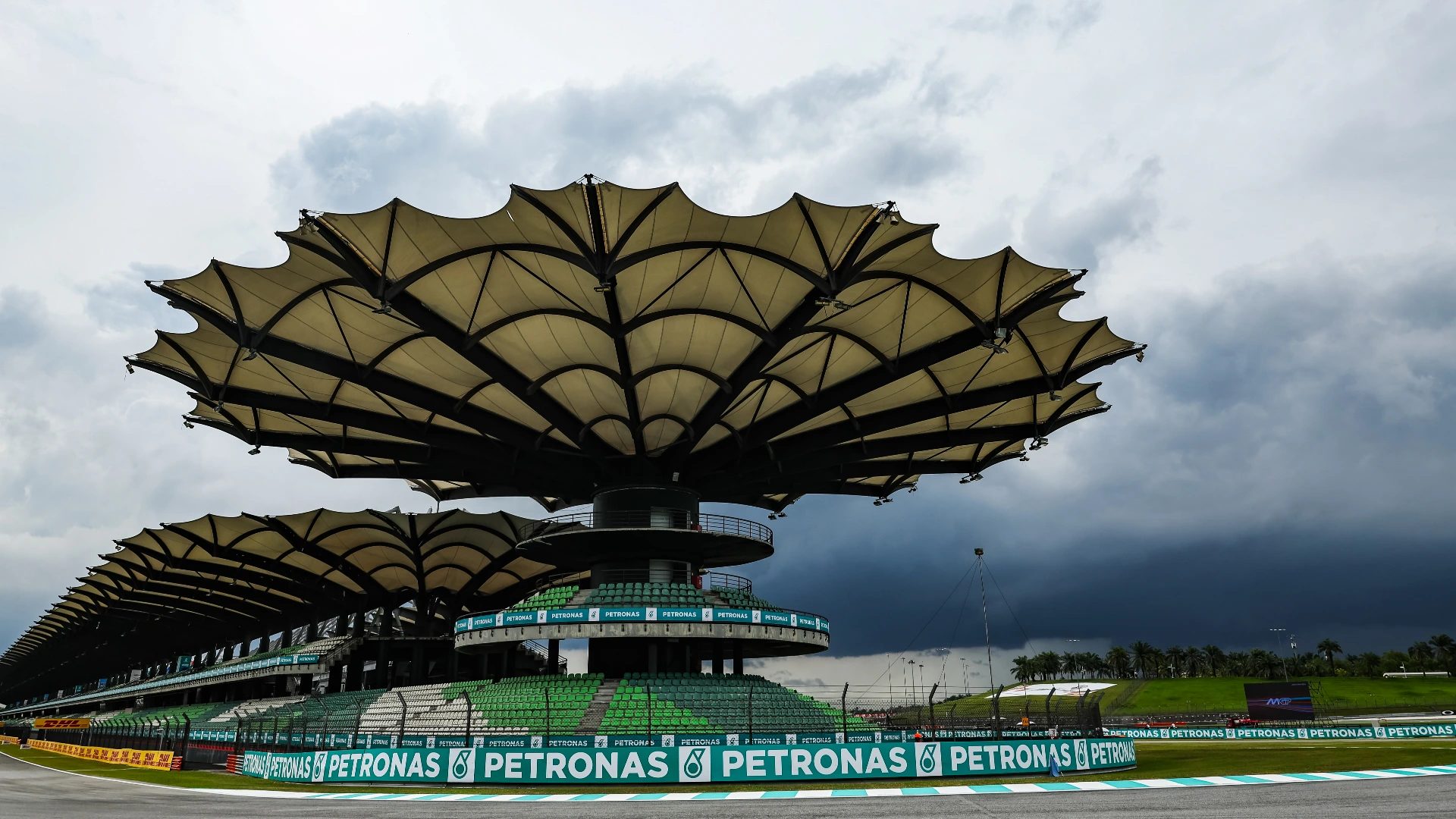
The Formula 1 Bahrain Grand Prix has been rescheduled on the calendar, following its postponement last April due to geopolitical instability in the Middle East and related concerns about the event’s safety. What initially stood out was not so much the rescheduling to early October (from the 2nd to the 4th) on the 2026 World Championship calendar, but rather the fact that the FIA decided to hold the Bahrain Grand Prix 6,000 kilometers away from Sakhir, choosing Malaysia and the Sepang Circuit.
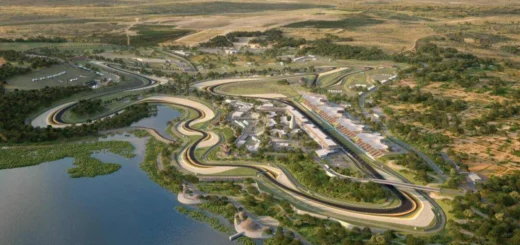
The race will not become the Malaysian Grand Prix for one specific reason: the organization remains in the hands of Bahrain, which retains the name, sponsors, and identity of the “Gulf Air Bahrain Grand Prix.” Sepang is providing the track, just as was the case at Imola with the San Marino Grand Prix or as happened in 1982, when the French circuit at Dijon hosted the Swiss Grand Prix. The return of F1 to Malaysia is, however, a symbolic event: Sepang, absent since 2017, is one of the circuits most loved by fans for its combination of speed, technical challenge, and unpredictable weather.
The choice of the circuit, in and of itself, has the community excited. The issue sparking debate is the presence of Sepang’s two extremely long straights—each over a kilometer long—separated by a single turn in the final section of the track: in fact, the Grand Prix is overshadowed by the specter of “super clipping”—the sudden drop in power and speed on the straights caused by battery discharge and the resulting energy recovery by the power unit.
There are many comments, especially on social media, from fans concerned that a circuit where top speed on the straights is one of the most fascinating aspects might be compromised due to the controversial regulation set to take effect in 2026. Even though the season is already underway, the request to F1’s leadership is simple: further refine the rules and permanently eliminate situations in which, even when the accelerator is pressed all the way down, the power unit loses its thrust in order to recover energy.