Italy market, what if Silvio Baldini stays as national team coach? His clear answer
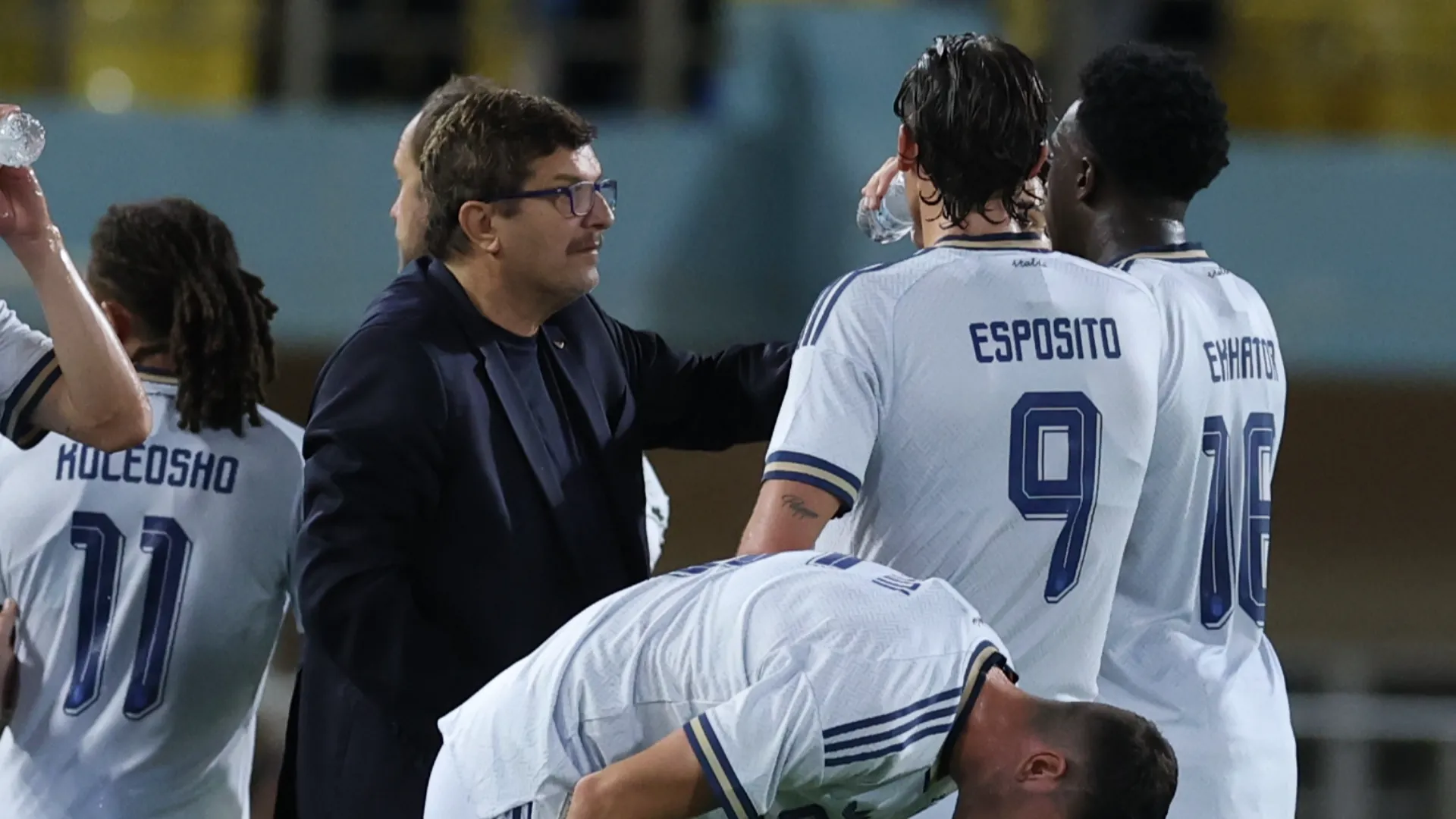
Italy soccer market: what if Silvio Baldini now stays as coach of the national team? Except for the value of Luxembourg and Greece, opponents in his only two games at the helm of the Azzurri, the interim coach boasts an unblemished roster. After collecting only victories in his brief experience at the senior national team, characterized moreover by the selection of very young players, there are those who are beginning to think about his confirmation. And the person directly involved has made it clear what he thinks about it.
In the Greece-Italy aftermatch hosted on Rai screens, clear was the indication given to Baldini: now many will want him to stay. And Italy’s “time” coach responded without betraying the style that has distinguished him since he took over from Gennaro Gattuso. “I wanted to be useful to the national team. Any other discourse does not interest me. What I wanted was for these guys to be valued for what they are. I’m interested in doing my job, then soccer is notorious for putting labels on you. But I am not a runaway, and there is still a long and winding road ahead.”
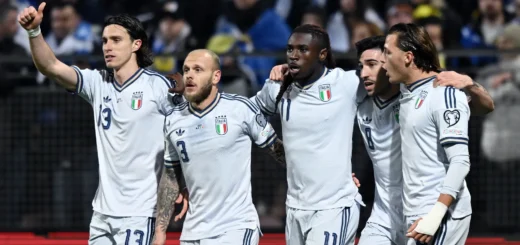
And yet the numbers speak for themselves. Against Greece, Italy won its second consecutive 1-0 win after the one over Luxembourg, with Francesco Pio Esposito once again the matador: the Inter striker opened the scoring at 18′ by collecting Ekhator’s assist and taking advantage of a decisive deflection by Hatzidiakos, effectively replicating the header goal with which he had decided the match in Luxembourg a few days earlier. A double signature that certifies the role of absolute dragger of this young Italy.
On the field of Crete, the “Young Italy” showed personality far beyond expectations. Koleosho hit the crossbar in the opening minutes of the second half, Pisilli came close to scoring twice, and even the numerical inferiority – caused by Reggiani’s expulsion less than a quarter of an hour after he entered the field for a hold on Douvikas – did not dent the Azzurri’s solidity. The result was secured by Donnarumma, the only true veteran of this experimental national team with 81 appearances in the Azzurri, who responded in the best possible way to the great dream declared on the eve of the match by the Como striker: to be able to score against the Manchester City goalkeeper.
After all, Baldini’s mission had a well-defined perimeter from the start. Called upon to ferry the Azzurri after Gattuso’s resignation in the aftermath of the Zenica disaster – which certified Italy’s third consecutive absence from the World Cup – the Canevara coach had already clarified his goals with brutal honesty in a press conference at Coverciano: “To coach Italy you need a certain curriculum, and today I don’t have it. I’m certainly not a peacock: I’m aiming for the Under-21 European Championship and the Olympics. If I can bring home those results I might have hope: I believe in merit, not in strokes of luck.” Words respected in deeds, with a squad with an average age of just over 20 years old built around the nucleus of his Under 21 team.
Not even a few moments of diplomatic tension had been lacking: Greece had initially threatened to cancel the friendly because of the too many Under 21s in the Azzurri squad, a controversy that was later withdrawn after the words of the head of the delegation Giancarlo Antognoni, who had called the Italian one “the best possible National team at this time for motivation and perspective.” The field, in the end, proved both of them right.
Now Baldini is back at the helm of the Under 21 team, with two victories in his pocket and the knowledge that he has achieved the goal with full merit. His legacy to the senior national team is a group of growing talent and, above all, the certainty that the future of Italian soccer has a young and promising face. The appointment of the new coach will remain pending until the outcome of the federal elections: whoever picks up the baton will find a foundation on which to build that, until a few weeks ago, seemed far more fragile than this “Young Italy” was able to demonstrate.