2026 World Cup: FIFA’s Latest Move and Gianni Infantino Divide Fans—Controversy Has Already Begun
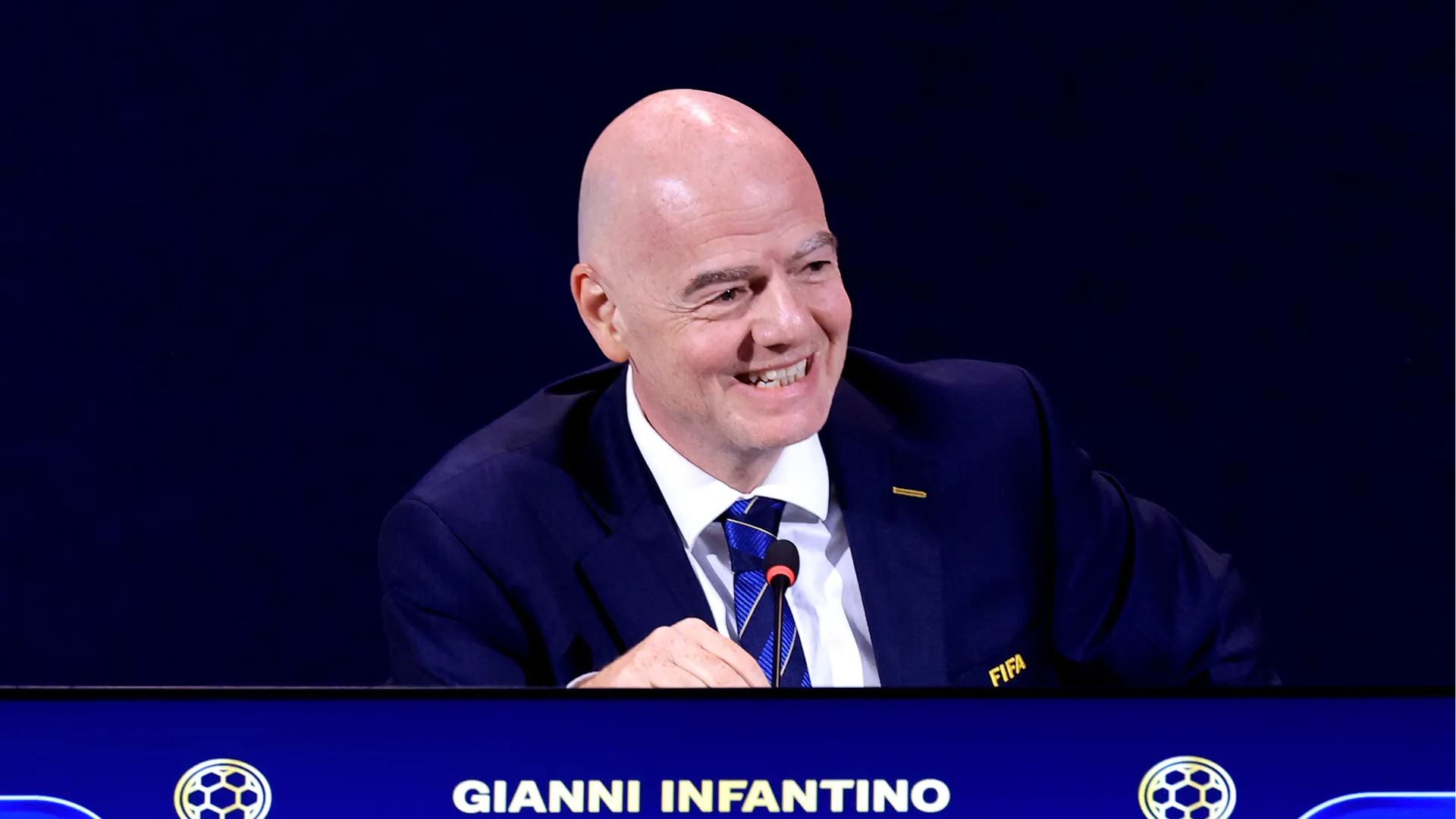
Rarely has there been as much discussion about the role of FIFA and the decisions of its president—who, since 2016, has been Gianni Infantino, a Swiss national of Italian origin—as there has been during this World Cup. From real or alleged political interference to the handling of refereeing, including controversial decisions such as splitting match time into two halves, every move by the head of world soccer seems to spark a flood of controversy. The latest topic is no exception: the possibility of expanding the World Cup to 64 teams.
As early as 2026, the World Cup expanded from 32 to 48 teams, though this sparked some controversy over a group stage that did little to narrow down the field. In an interview with the Swiss publication ‘Bluewin,’ Infantino did not mince words: “This is certainly an issue that will be examined and discussed by the relevant committees after this World Cup. When organizing a World Cup, it’s important to do so for the whole world—not just for Europe and South America, but for every part of the globe.”
“Every nation should be able to dream of participating in the World Cup,” added the FIFA president. It’s clear that the quality of the teams is extremely high and continues to grow everywhere. If smaller countries aren’t given the chance to participate, they’ll lack the incentive to keep improving.”
Infantino’s remarks have sparked a wave of negative comments, citing a decline in the tournament’s quality and exclusivity, an increasing number of uncompetitive matches, and extremely complicated logistics and scheduling. Some openly describe the decision as “more commercial than sporting,” accusing FIFA of prioritizing economic expansion at the expense of the World Cup’s historical identity.
However, there are also those who would welcome a 64-team World Cup. In fact, many fans see an opportunity to broaden the sport’s global base, fostering the growth of emerging federations and increasing representation from different continents, citing African soccer as a prime example—where nine out of ten teams advanced from the group stage. The debate, however, is set to continue in the coming months, especially if FIFA were to actually opt for the 64-team format.