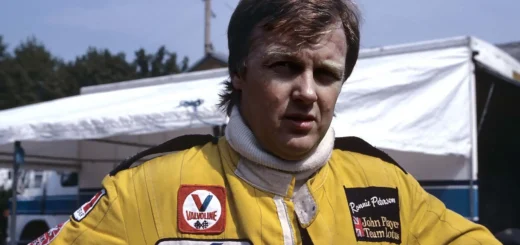
Ronnie Peterson: 48 years ago, the tragedy at Monza claimed the life of the Swedish driver
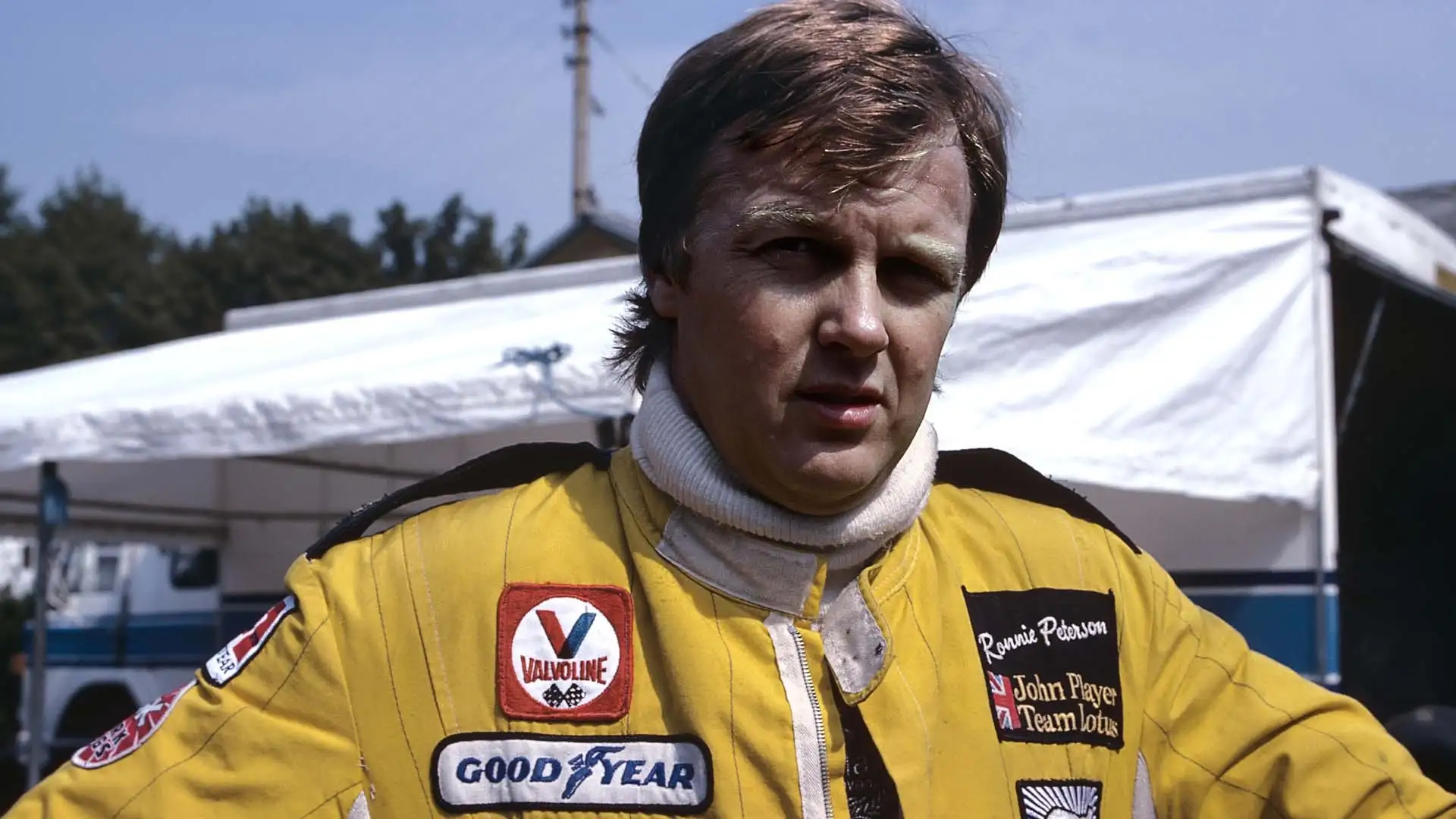
Forty-eight years ago, on September 11, 1978, Ronnie Peterson—one of the most talented and spectacular Formula 1 drivers of the 1970s, and more—passed away. The Swede was just 34 years old. His death was caused by the aftermath of a terrible crash that occurred the previous day at the Monza circuit during the Italian Grand Prix.
The dramatic crash at the start
It was September 10, 1978, and the Italian Grand Prix was taking place at Monza. The race had started just a few moments earlier when, after only a few hundred meters, the pack of cars approached the first chicane in a tight formation.
Within seconds, a violent pileup broke out, involving numerous cars. Among them is Ronnie Peterson’s Lotus, which crashes into the barriers and catches fire.
The scene is dramatic. The Swedish driver is pulled alive from the cockpit, but the impact has left him with extremely severe fractures in his legs. After receiving first aid, he was transported to Niguarda Hospital in Milan, where doctors decided to perform surgery on him.
Death in the Night
Initially, Peterson’s condition did not appear to be life-threatening. Overnight, however, his condition took a sudden turn for the worse. The driver suffered an embolism and died on September 11, 1978, just a few hours after the operation. He was only 34 years old.
His death deeply shook the world of Formula 1 and sparked a heated debate. The controversy centered both on the dynamics of the start and the circumstances that led to the pileup, as well as on the emergency response and medical management of the driver’s serious injuries.
The Talent of Ronnie Peterson
The tragedy at Monza cut short a career that had made Peterson one of the leading figures in Formula 1 during the 1970s.
The Swedish driver had already made a name for himself in 1971 behind the wheel of a March, a season in which he managed to capture the public’s attention thanks to his performances. His talent and spectacular driving style soon earned him a place among the world’s best drivers.
In 1973, he joined Lotus and had one of the most important seasons of his career. Peterson won four Grand Prix races and finished the championship in third place in the world standings.
In the following years, he continued his Formula 1 career, also moving to Tyrrell. With the British team, he had the opportunity to drive the famous P34, the unmistakable six-wheeled single-seater that still stands today as one of the most original cars ever to appear in the history of the series.
The Return to Lotus and the Final Season
In 1978, Peterson returned to Lotus, once again joining one of the championship’s most competitive teams. That season seemed poised to mark an important new chapter in his career.
Fate, however, awaited him at Monza. The accident on September 10 and his death the following day turned the Italian Grand Prix into one of the most tragic chapters in Formula 1 history.
Forty-eight years later, Ronnie Peterson remains one of the most memorable figures in 1970s motorsports: a lightning-fast driver, a star of an era when racing in Formula 1 meant facing enormous risks at every Grand Prix.