Car and Motorcycle Registration Tax: How to Know Whether You Need to Pay It or Not
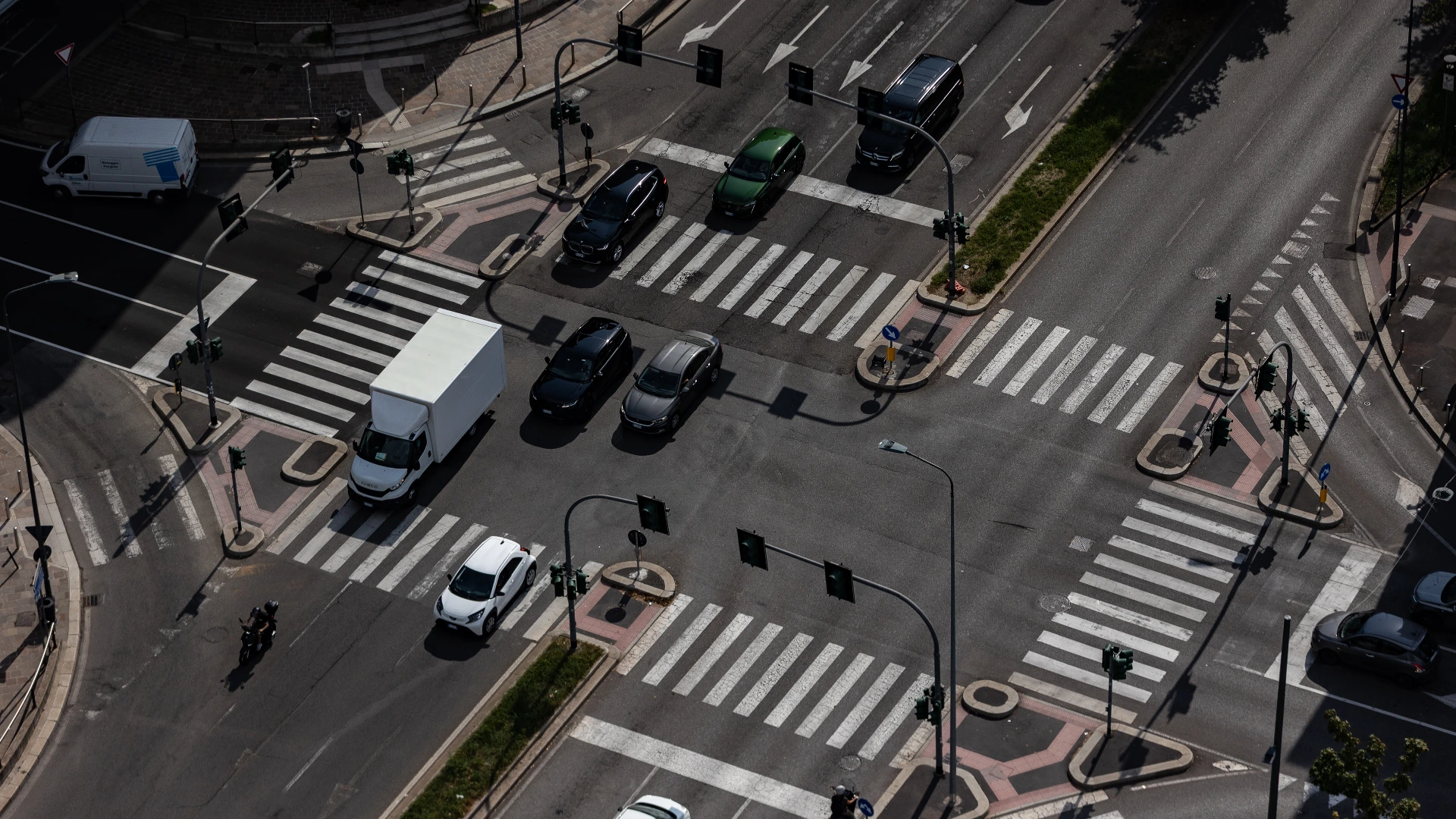
2027 could be a very different year for millions of Italian car and motorcycle drivers. The Council of Ministers has, in fact, included in the draft of a new decree a suspension of the vehicle tax for a large portion of vehicles on the road—a measure that, if confirmed, would affect approximately 14 million vehicles. This is not a permanent abolition but an exemption currently limited to 2027, although officials at Palazzo Chigi have stated their intention to make it a permanent measure in the future.
For now, however, what matters is determining whether road tax will need to be paid in 2027 or not. The exemption applies to only one vehicle per registered owner: those who own multiple vehicles may benefit from the exemption on the vehicle with the lowest road tax, which in most cases corresponds to the one with the lowest engine power. The vehicle must be properly insured and owned by an individual (legal entities are not included in the exemption), and its power must not exceed 80 kW.
This threshold covers most small- and medium-displacement cars, as well as a large number of scooters and motorcycles. To check if you qualify, simply look at the vehicle registration certificate under section P.2, where the power output in kilowatts is listed. If the value is 80 or less, road tax will not be due in 2027. In this regard, the make or model of the car or motorcycle is not a determining factor: some models are available in versions that exceed 80 kW and others that fall below that threshold.
To offset the loss of revenue, the government plans to transfer over two billion euros to the regions, since the vehicle tax is a regional tax. The suspension of the vehicle tax is part of a plan to counter the rise in gasoline and diesel prices linked to the international energy crisis. It is important to note that there are no income thresholds limiting the exemption to the most vulnerable taxpayers.