Antonio Faravelli Delights Guests with Wines from the Oltrepò Pavese Region at the Ambrosiano Golf Club
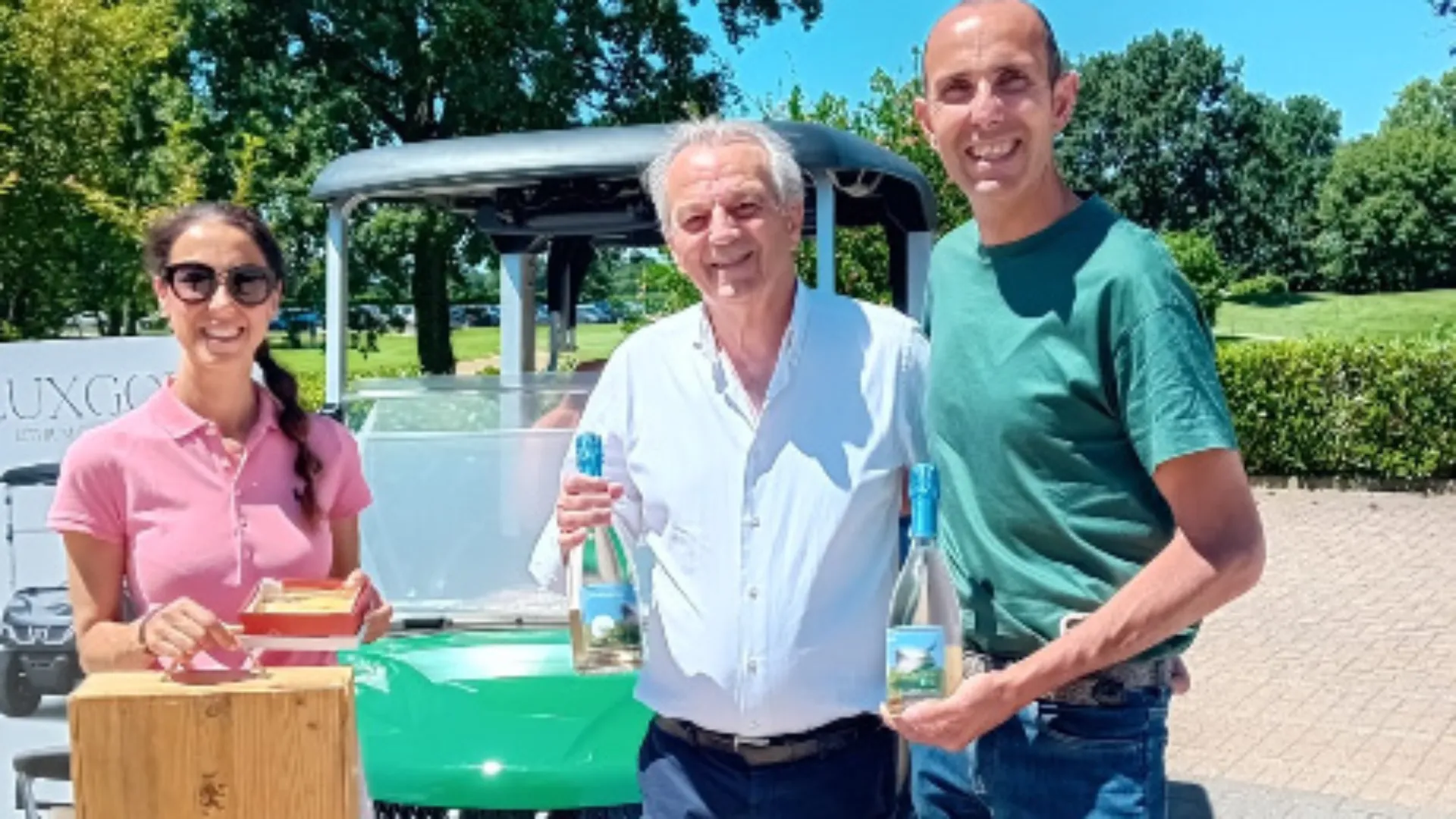
Antonio Faravelli, a winemaker and avid golfer from Montù Beccaria, in the heart of the Oltrepò Pavese region, continues to successfully promote the region’s finest products through his Cantine Vitea winery and the “Golf and Wine 1895” project. The entrepreneur was invited as an exclusive guest to Swing Experience 2026, a prestigious event hosted by the Ambrosiano Golf Club, where he presented both his wines and the initiative dedicated to bringing together the worlds of golf and food and wine.
There was great interest in the Cantine Vitea labels, which have won numerous awards and been ranked among Italy’s finest wines by Italy’s Finest Wines. Particularly well-received were the Metodo Classico Pinot Nero Pas Dosé, the Pinot Grigio Trame’s, and the Bonarda Gallesio, which took center stage during the tastings held throughout the event. Many participants, won over by the quality of the wines, decided to purchase them at the end of the event.
During the awards ceremony, Faravelli also presented the project to relaunch the Golf and Wine 1895 brand, receiving numerous expressions of esteem and appreciation for an initiative that aims to highlight the connection between sports, the local area, and wine culture.
The Oltrepò Pavese region provides the ideal setting for this philosophy. The only region in Lombardy located south of the Po River, it stretches between Emilia-Romagna and Piedmont and offers an extraordinary variety of landscapes ranging from the plains to vine-covered hills, all the way to the peaks of the Apennines. Here, vineyards alternate with forests of oak, chestnut, and beech trees, while from the peaks of Mounts Chiappo, Lesima, and Penice—which give the region its characteristic grape-cluster shape—on the clearest days, one can even glimpse the Ligurian Sea.
This natural richness is complemented by an equally fascinating and complex history. Over the centuries, the Oltrepò has been a land of fiefdoms and lordships, religious influences, and territorial ambitions. From the Malaspina family to San Colombano di Bobbio, including the Visconti, Sforza, Beccaria, and Dal Verme families, numerous families and institutions have left their mark on these lands, helping to create a unique cultural heritage. This complexity is still reflected today in the traditions, dialects, and identities of the various communities that inhabit this part of Lombardy.