2026 World Cup: Tensions Mount Just Hours Before the Two Finals
The 2026 World Cup is nearing its conclusion, but the atmosphere surrounding the final hours of the competition is that of an event that has reached the finish line worn down by tensions, divisions, and controversies. What was supposed to be a global celebration of soccer has turned into a tournament that has divided the sports world on multiple fronts, often preventing people from enjoying what was happening on the field.
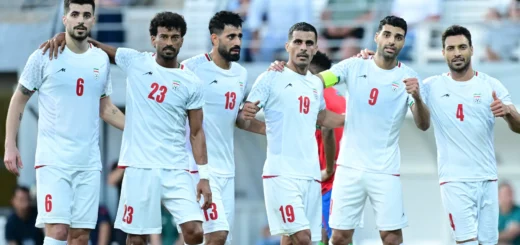
The debates began as soon as the new 48-team format was chosen, a move many viewed as a risk to the tournament’s overall quality. From there, a long series of incidents fueled a climate of constant tension, complicated by a decidedly complex geopolitical situation: among the most sensitive cases was that of Iran, whose participation hung in the balance for weeks amid diplomatic pressure, requests to relocate venues, and security concerns.
This situation forced FIFA to consider extraordinary scenarios, including possible last-minute withdrawals and replacements. Further complicating matters was the health emergency in the Democratic Republic of the Congo, which was hit by an Ebola outbreak. The delegation had been forced into a three-week quarantine in Belgium before being able to travel to the United States, meaning they had to arrive just before their first match.
Among the national teams involved in the replacement rumors was Italy, which remained for weeks in a sort of regulatory limbo, suspended between hope and uncertainty, as well as the predictable internal controversies within the country. This case sparked international debate, though it ultimately came to nothing.
The World Cup was also marked by suspicions of referee bias and growing criticism of soccer’s alleged “Americanization.” The introduction of mandatory hydration breaks, the Halftime Show during the final, and rings to be awarded to each of the winners has fueled the perception of a tournament increasingly resembling the formats of U.S. sporting events.
Even long-standing World Cup traditions have fueled the discussion. The third-place match (which this year will feature France and England), for example, has become a point of contention: many consider it a pointless and risky game, especially for players already worn down by an exhausting season and facing a new season after only a brief break.
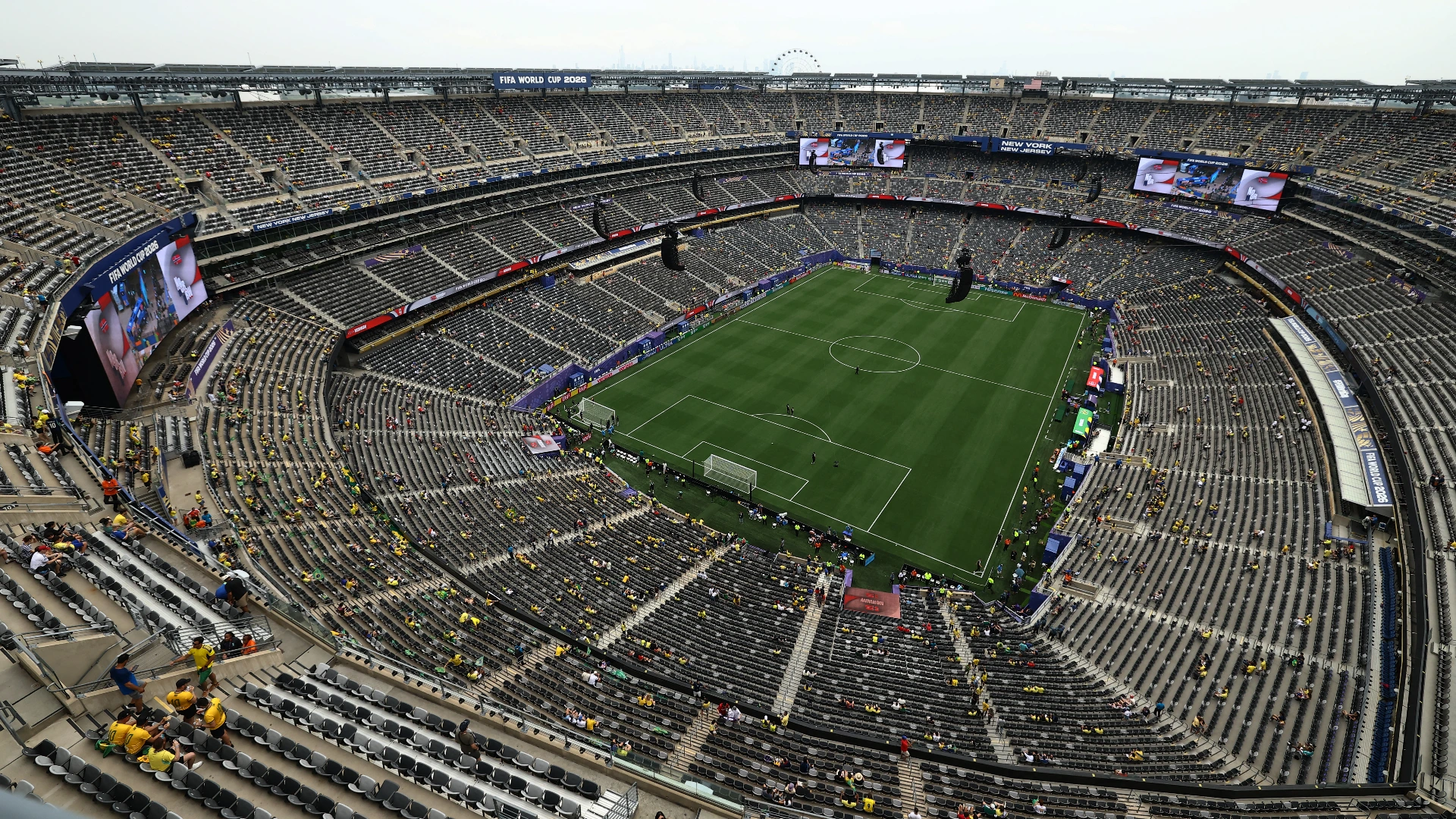
The actual final, on the other hand, will pit Spain against Argentina at MetLife Stadium in East Rutherford, a venue that is neither covered nor air-conditioned like others used in the tournament. The match will be played at 3:00 p.m. local time, under a scorching sun—at least according to the forecast—a decision that had already sparked debate when the tournament was awarded and that today once again divides fans and industry insiders.
Rounding out the picture are the ticket prices for the final: an average of over $11,000, with some tickets exceeding $100,000. This figure has fueled global outrage and is seen by many as definitive proof that soccer is drifting further and further away from the idea of a sport for the people.
Regardless of who lifts the trophy, the 2026 World Cup will leave a complex legacy: a fragmented sport, rife with political, economic, and cultural tensions. A tournament that, all too often, has struggled to let people simply enjoy the game, stifled by a constant background noise that has never ceased to be a nuisance.